Short synopsis
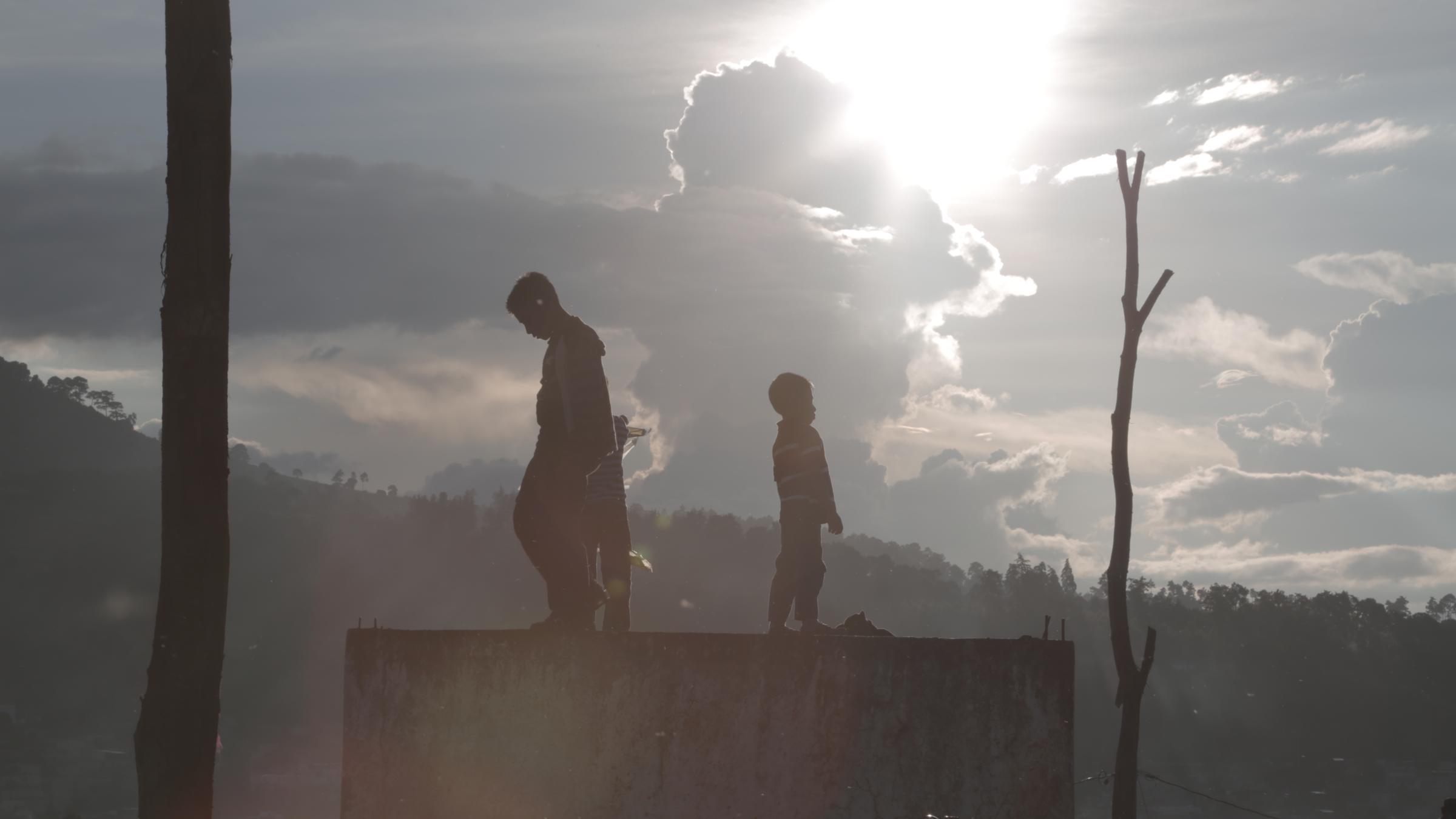
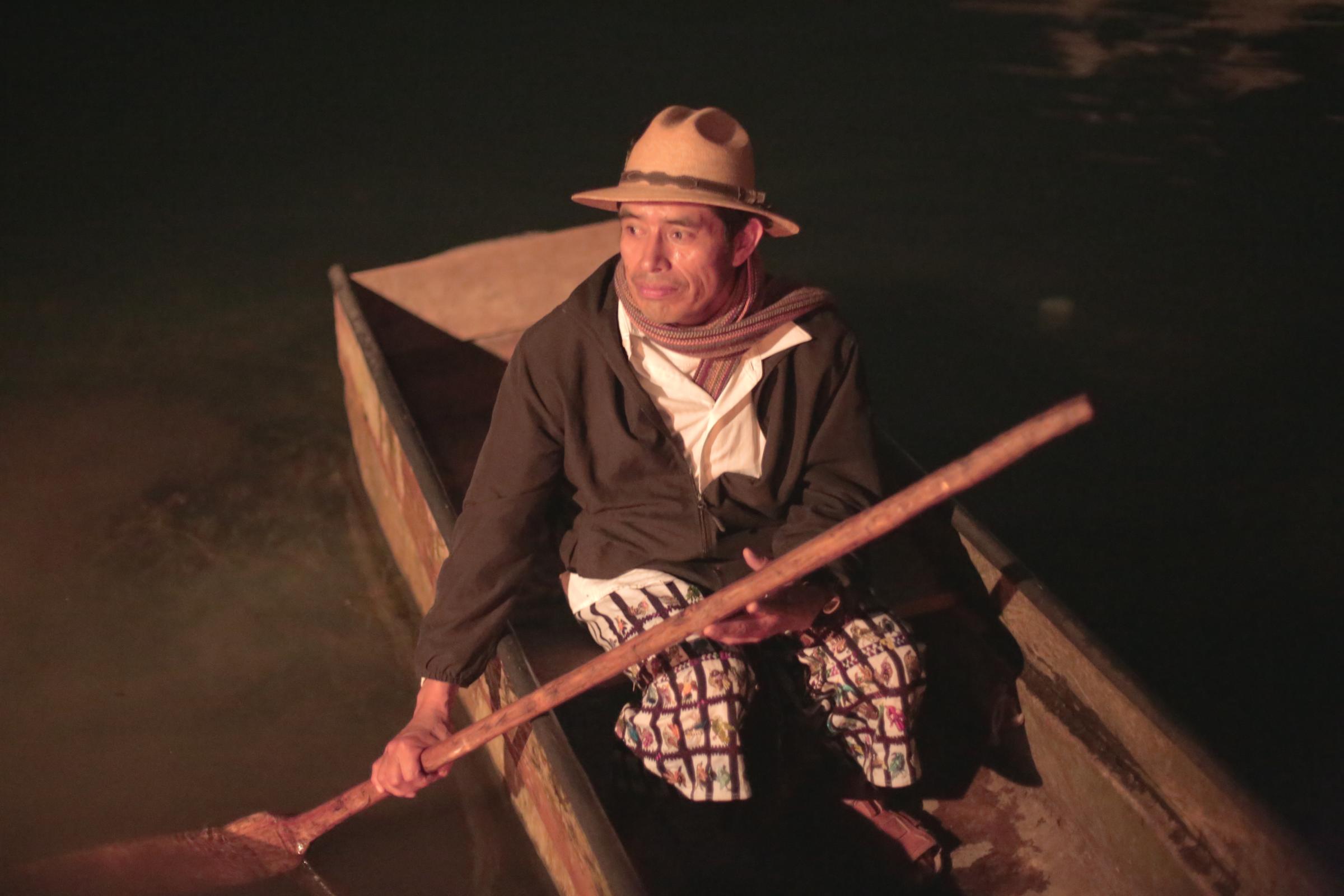
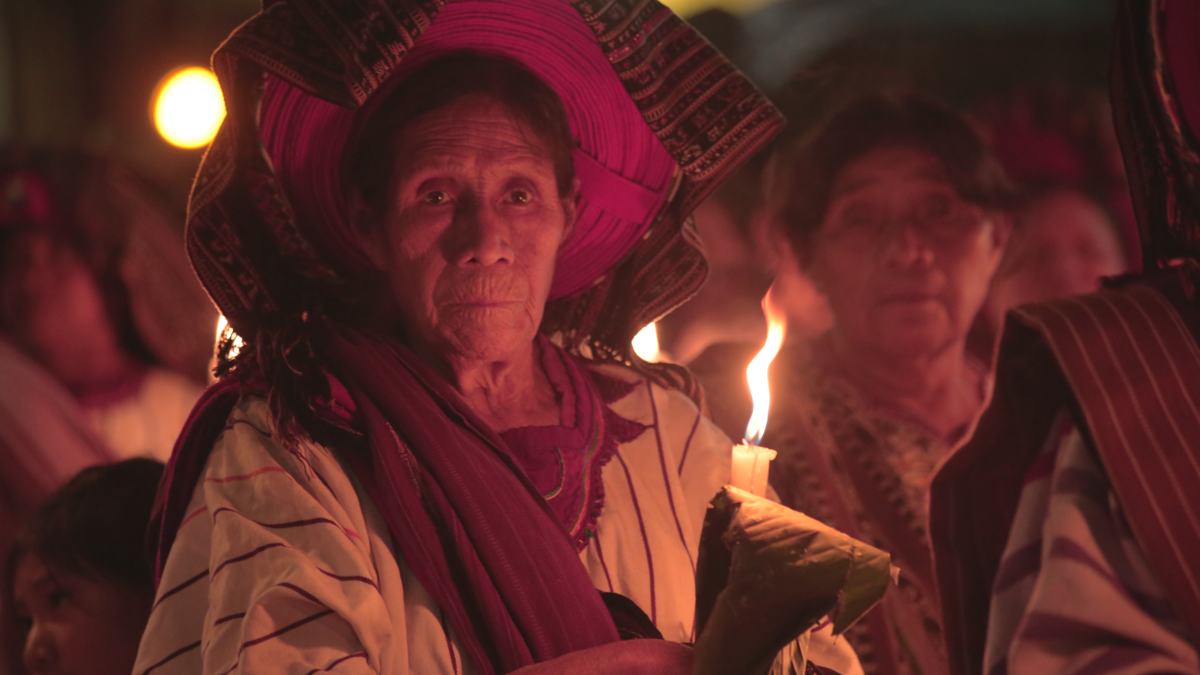
The Invisible World of the Maya is a feature documentary that dismantles the persistent myth that the Maya civilization vanished into history. The film immerses viewers in contemporary Guatemala, where the Maya comprise roughly half of the population. Rather than explaining this world from a distance, the film sits directly inside of it, capturing a rich mosaic of daily life where the spirit world is as tangible as the physical one. Ancestors remain present. Sacred maize binds generations. Ceremony connects the ordinary to something larger. In contrast to the spiritual and cultural wealth, the film sets the harsh arithmetic of structural racism and economic marginalization, revealing not a vanished people, but one continually adapting and carrying their culture forward. Filmed and edited over more than a decade, The Invisible World of the Maya offers an intimate reflection on human dignity, ancestral connection, cultural resilience, and what a hyper-materialistic world can learn from a culture grounded in reciprocity and balance.
Long synopsis
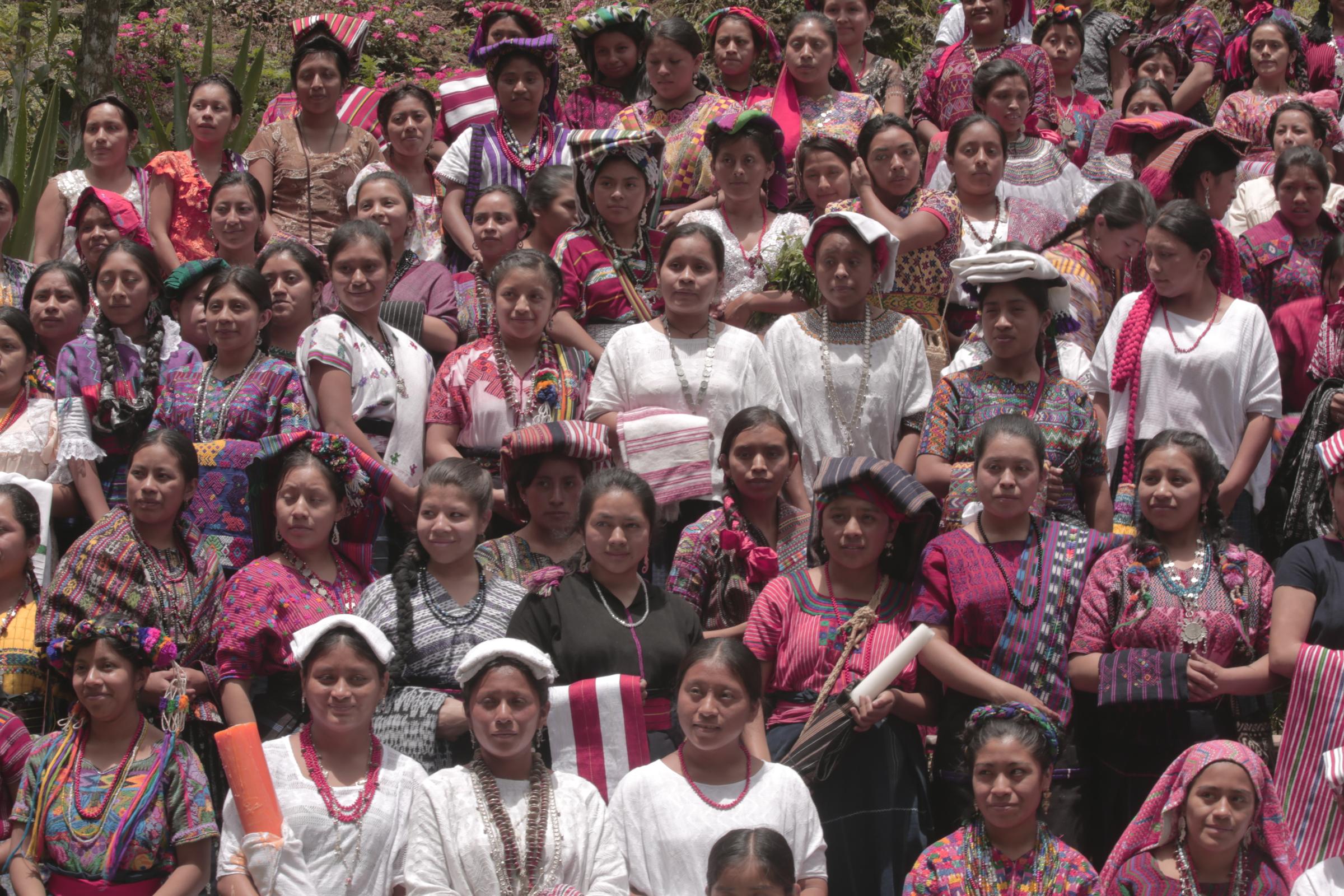
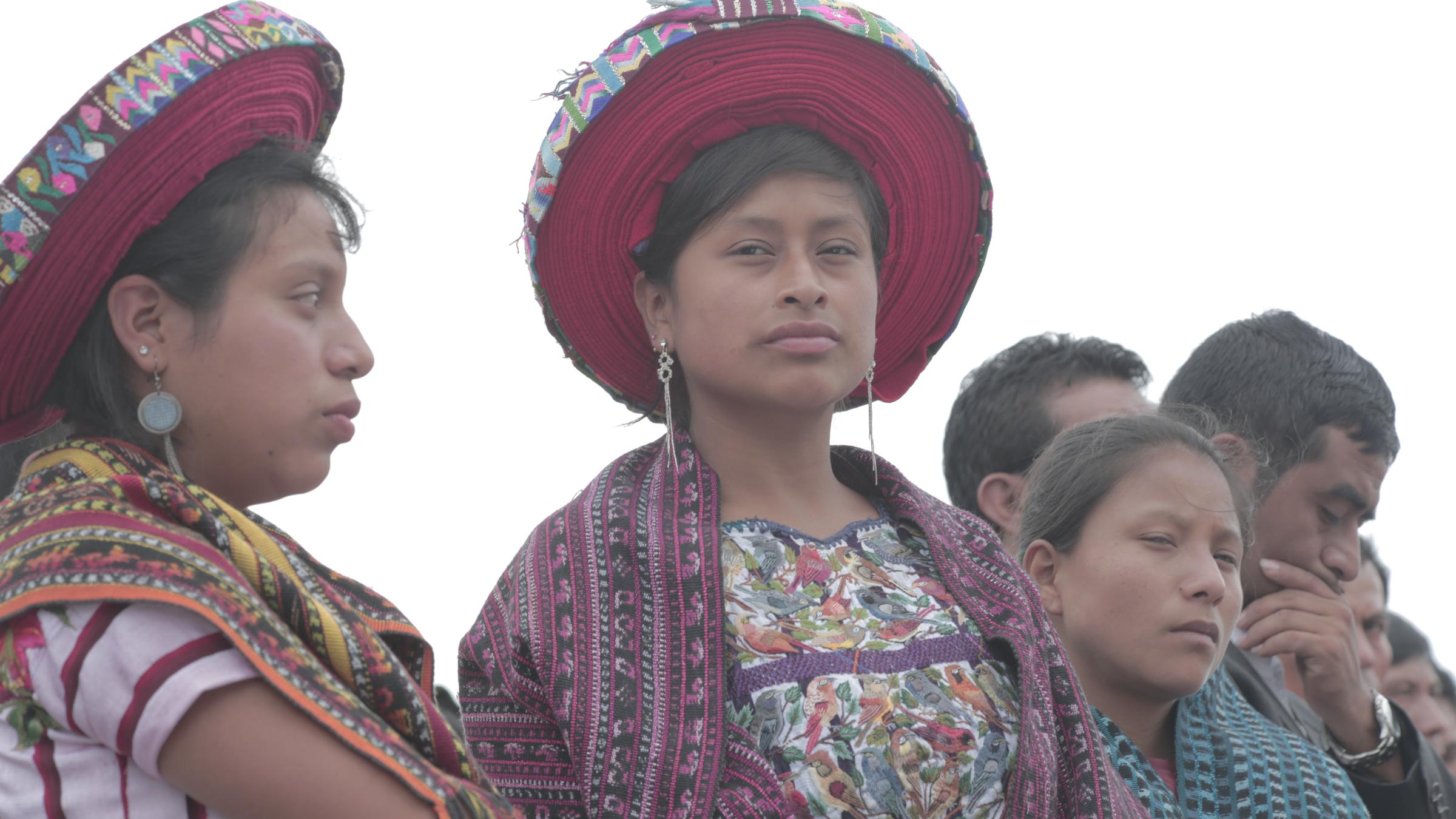
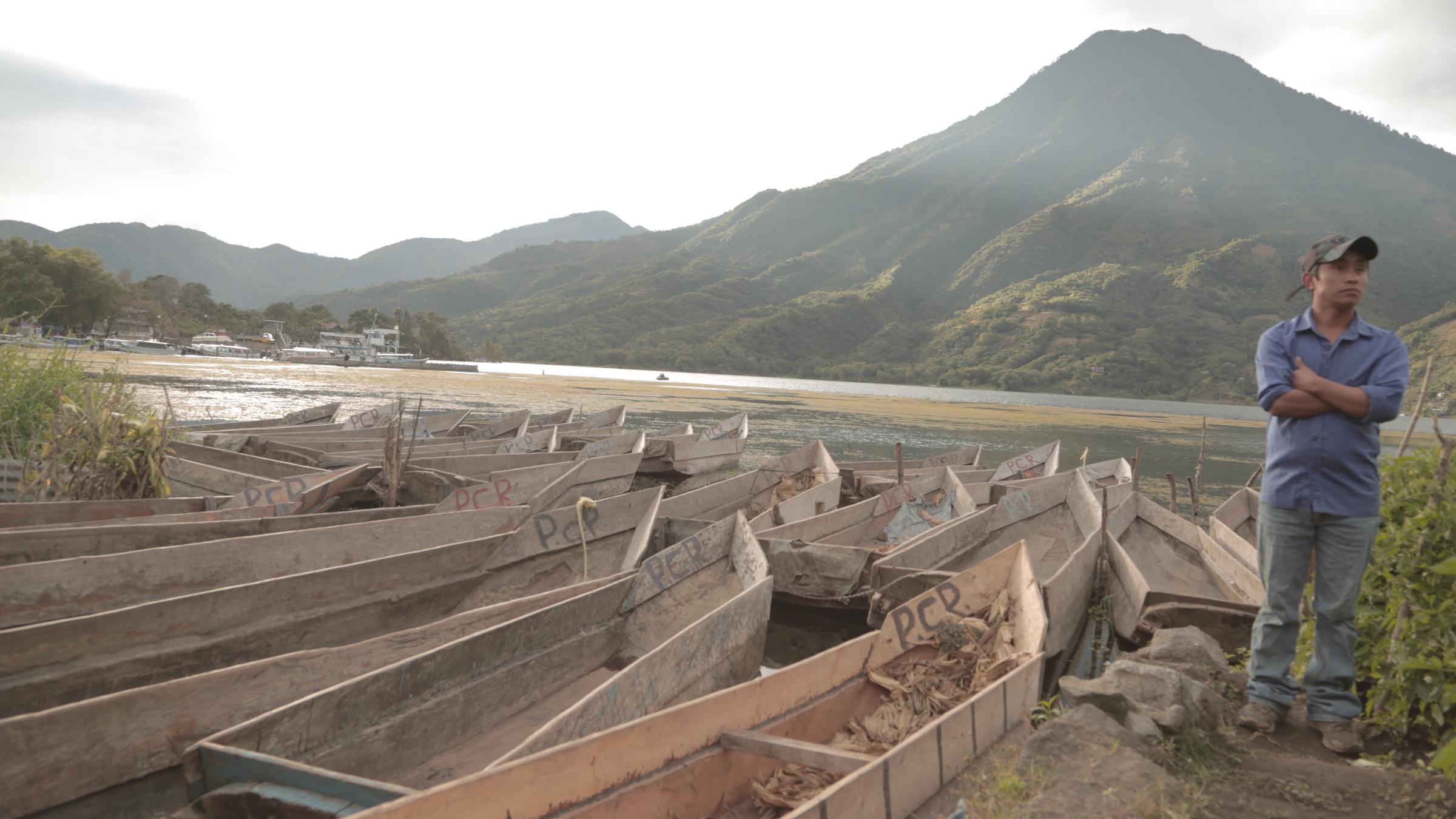
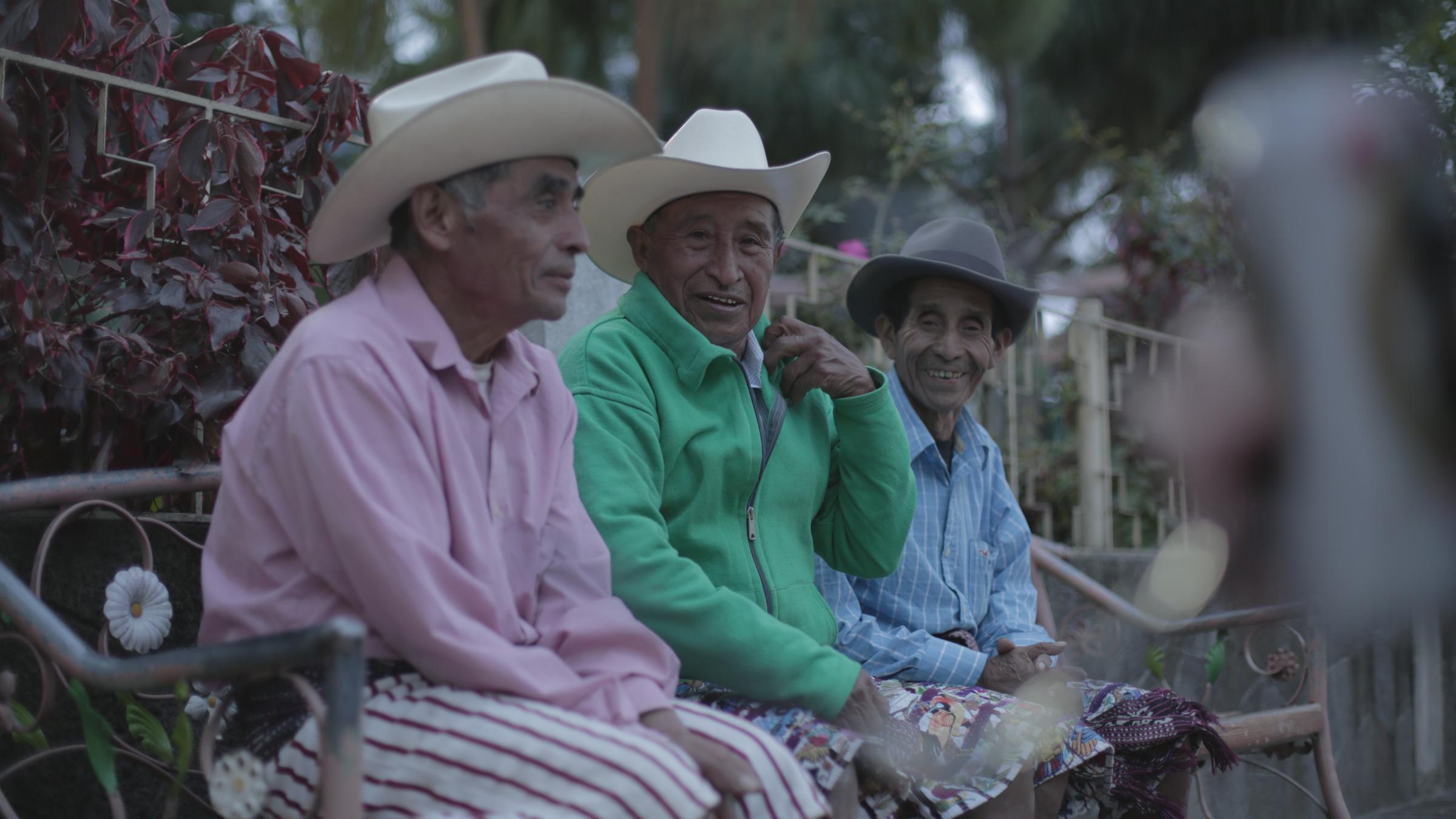
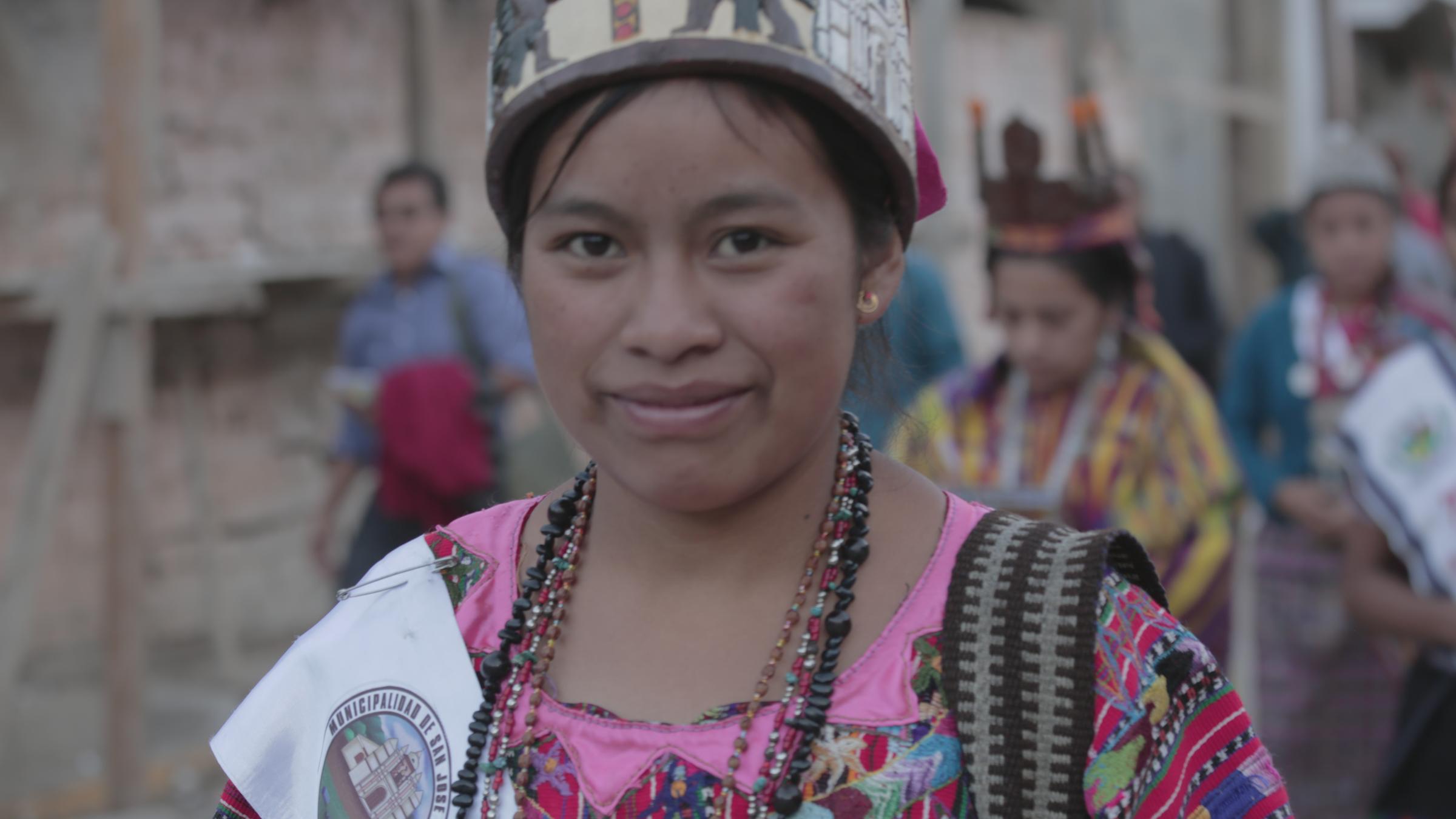
For much of the outside world, the Maya belong to history. Their ancient cities, hieroglyphs, calendars, and mysterious “collapse” have fascinated generations, while the millions of Maya living today have remained far less visible. The Invisible World of the Maya turns its attention to them. In Guatemala today, Maya people form nearly half the population, preserving a coherent, living culture across distinct linguistic and regional identities.
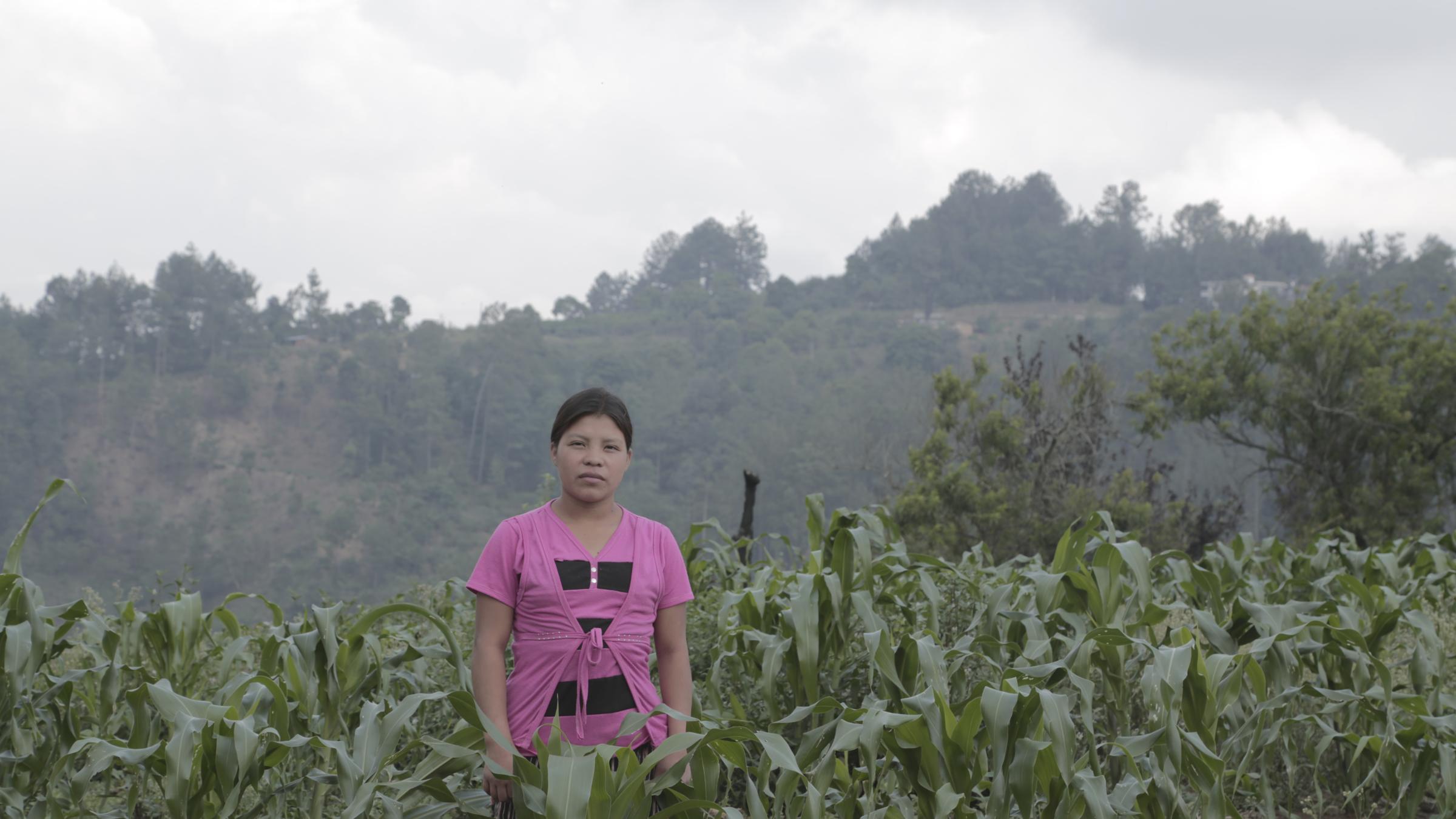
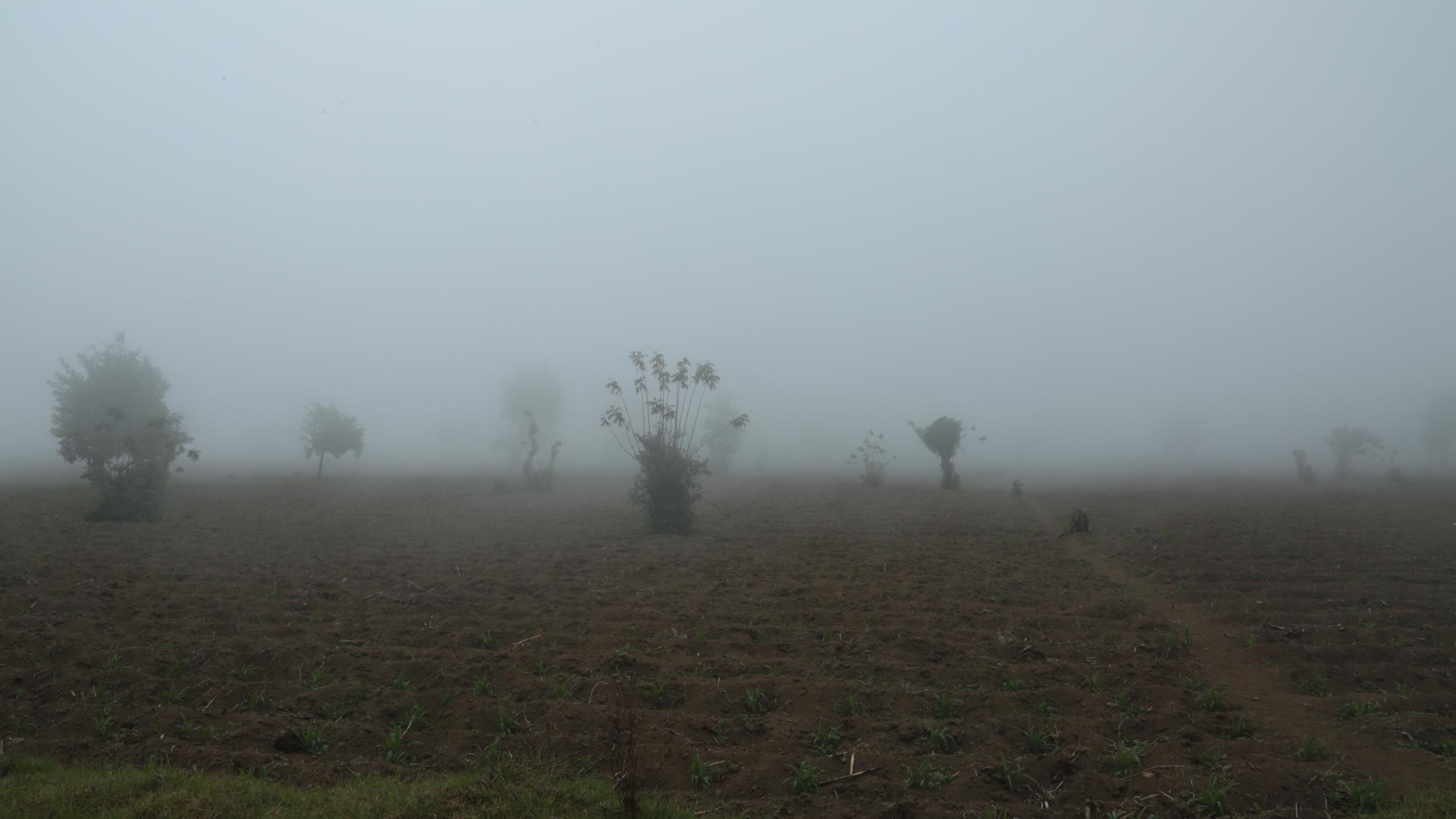
At the center of this worldview is reciprocity. Fundamental to the Maya is the belief that human beings are “People made of Corn.” Maize is not merely food, but a divine partner in a relationship of mutual survival. Life moves not along a straight path but through cycles of planting, growth, death, burial, renewal, and return. Nature is not inert. Time returns upon itself. Ancestors do not vanish upon death; they dwell in the air, clouds, and mist, guiding the living and offering protection. Ancestors do not simply belong to memory. They remain present.
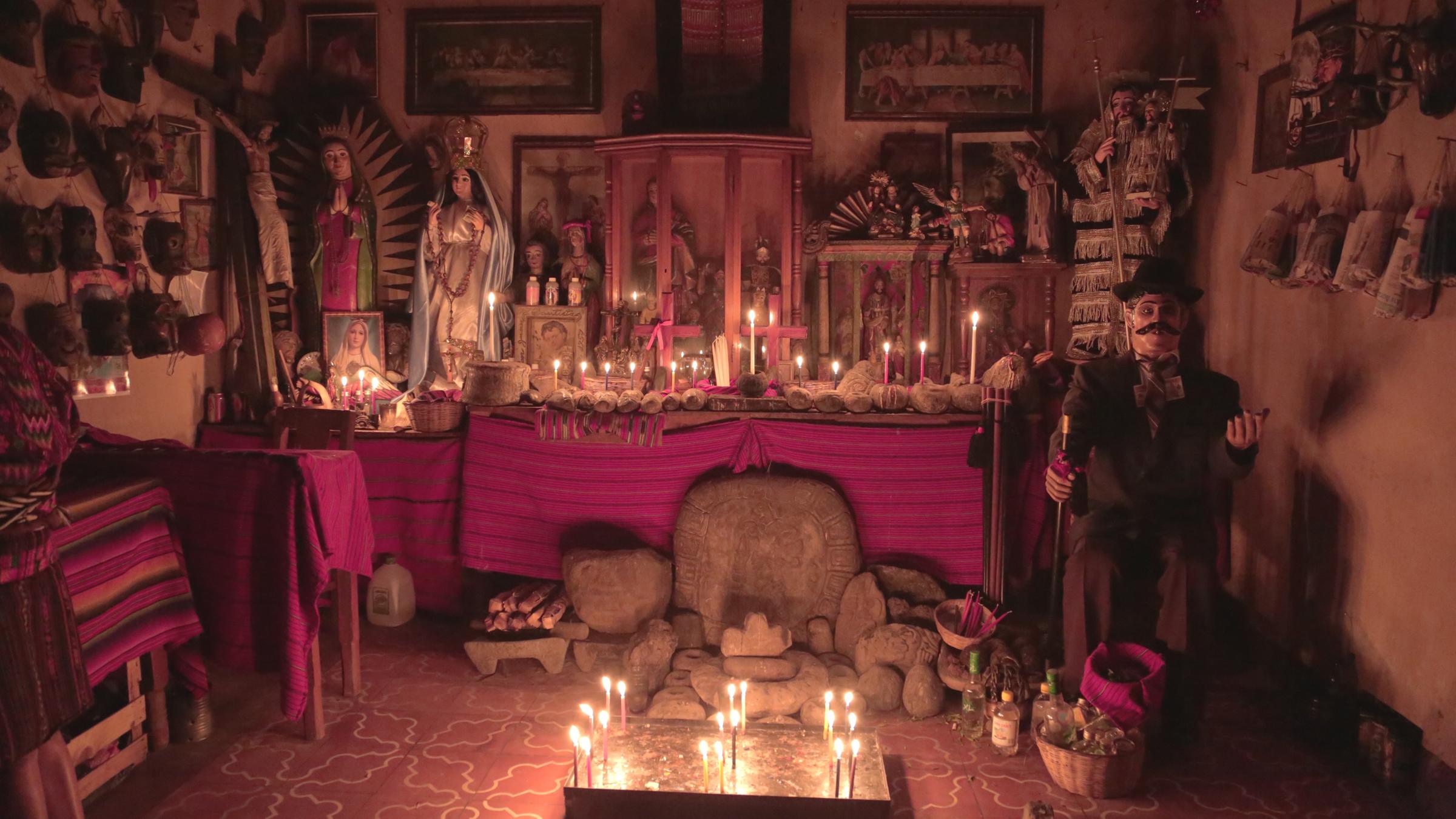
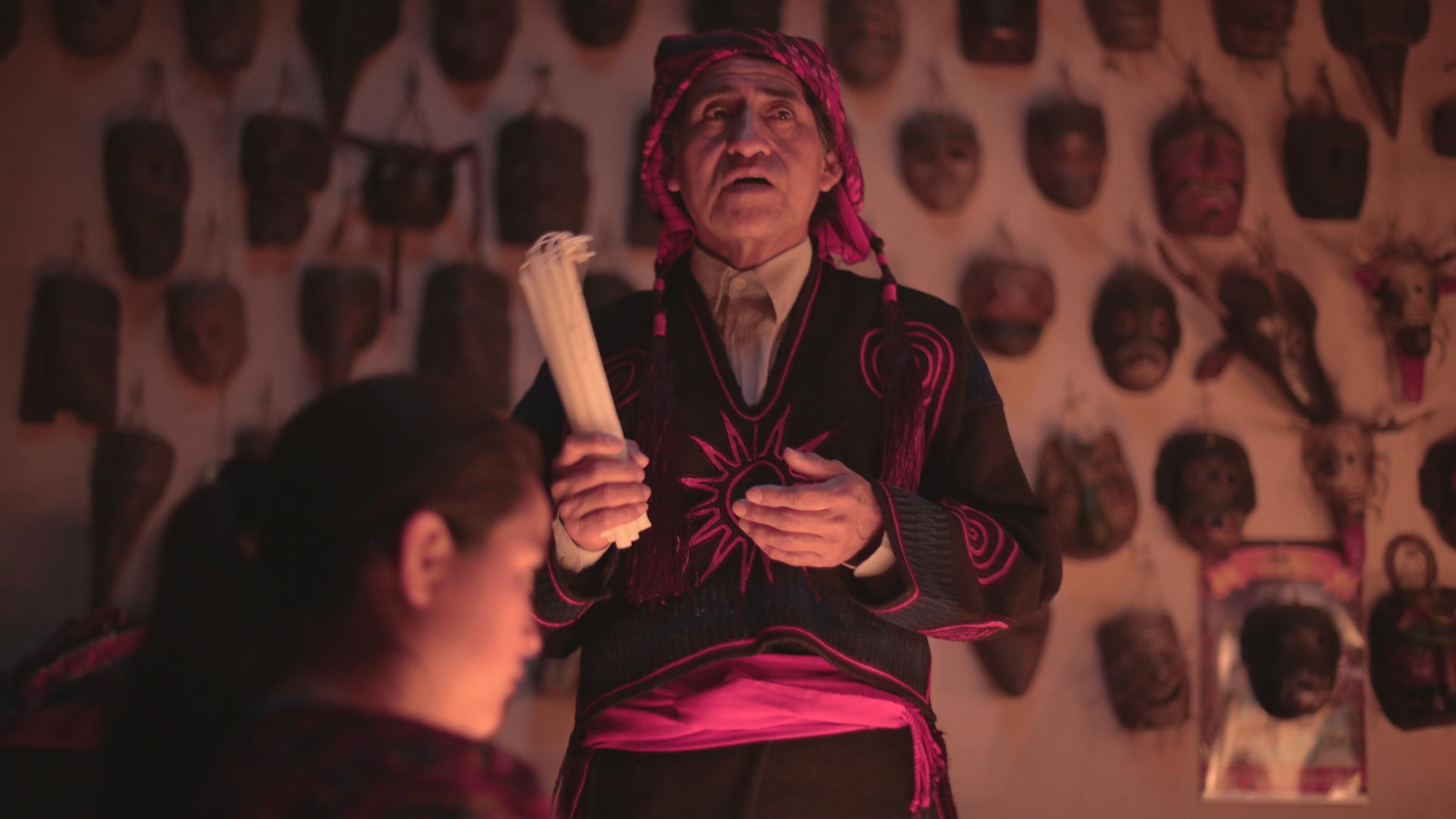
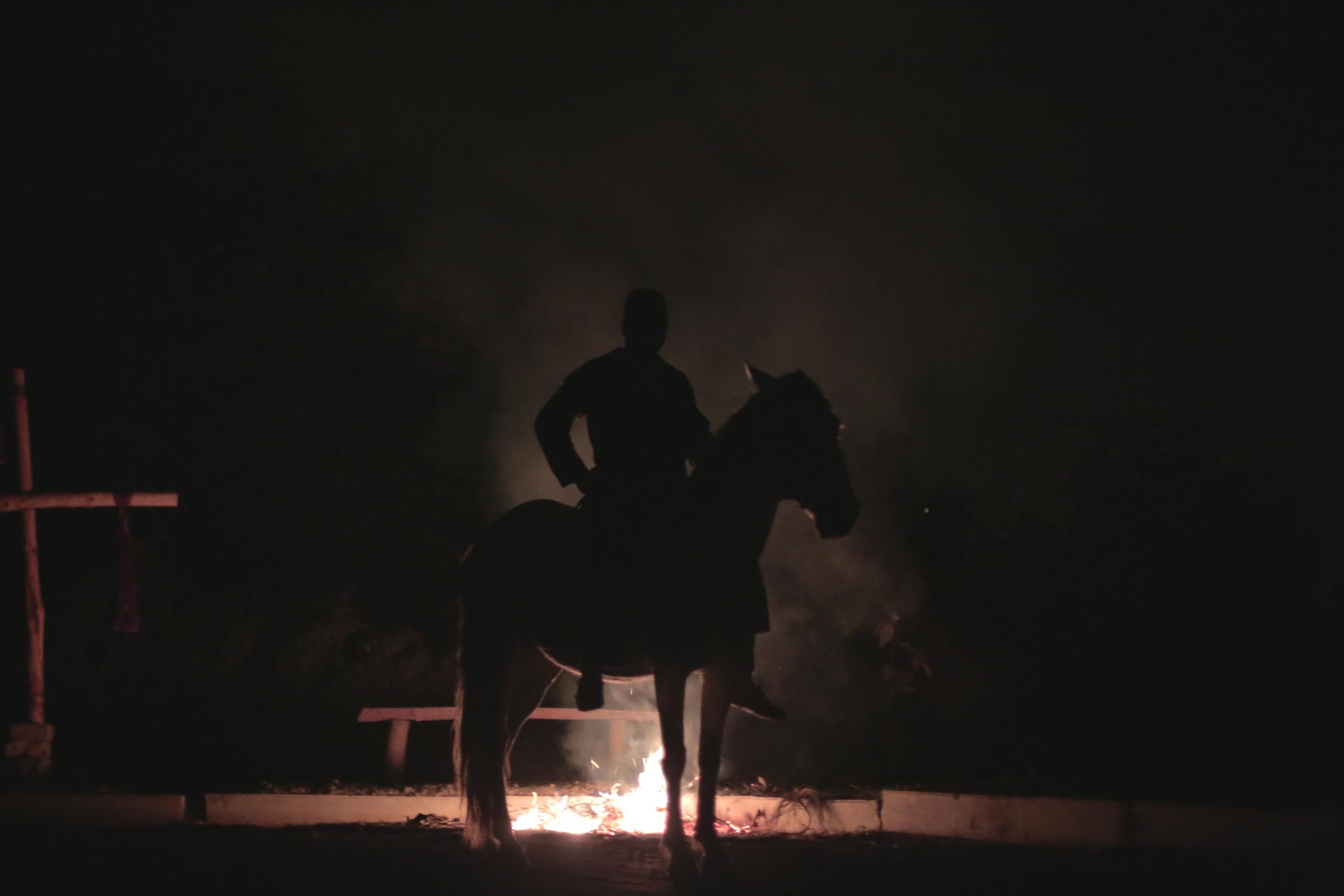
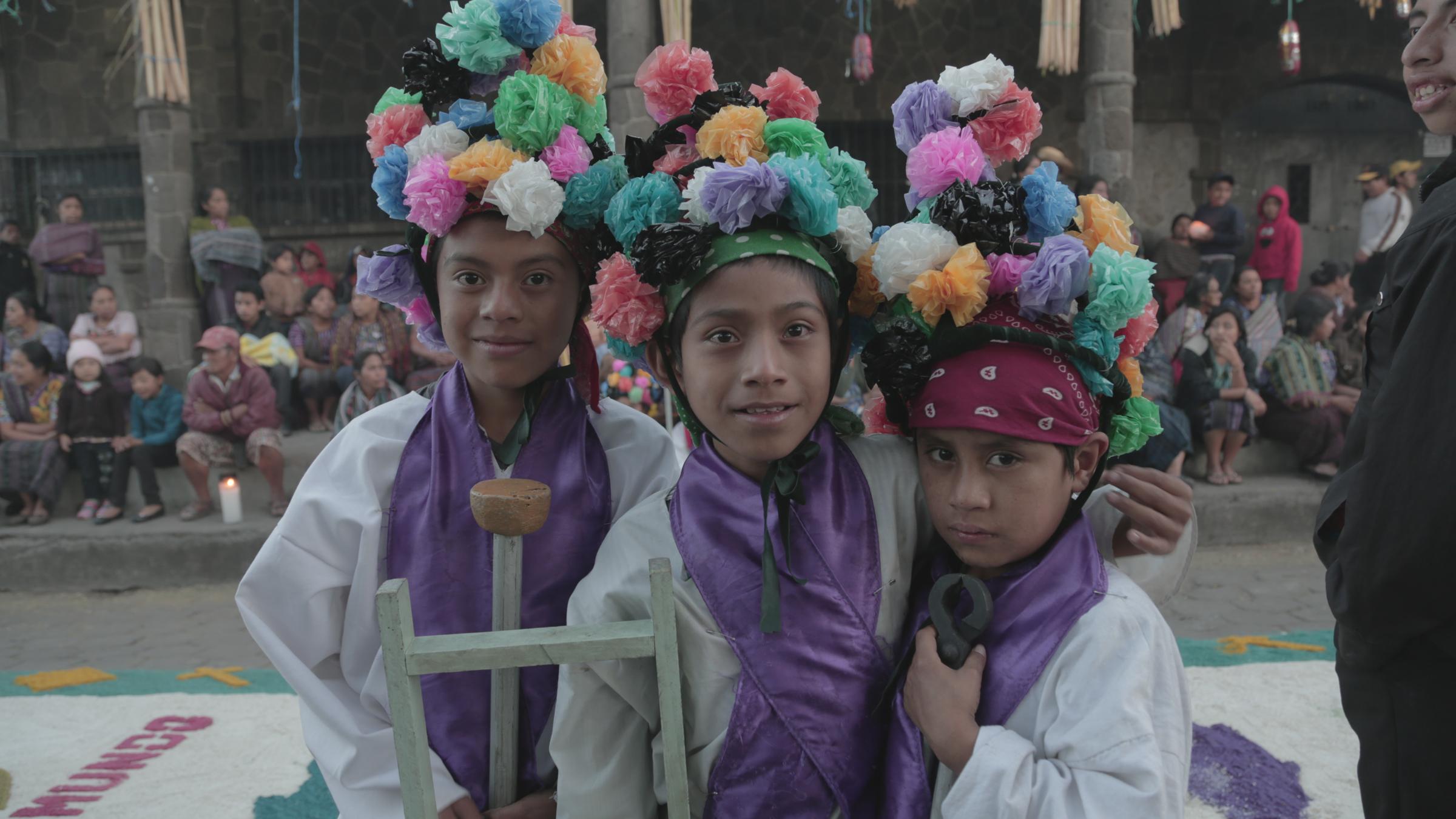
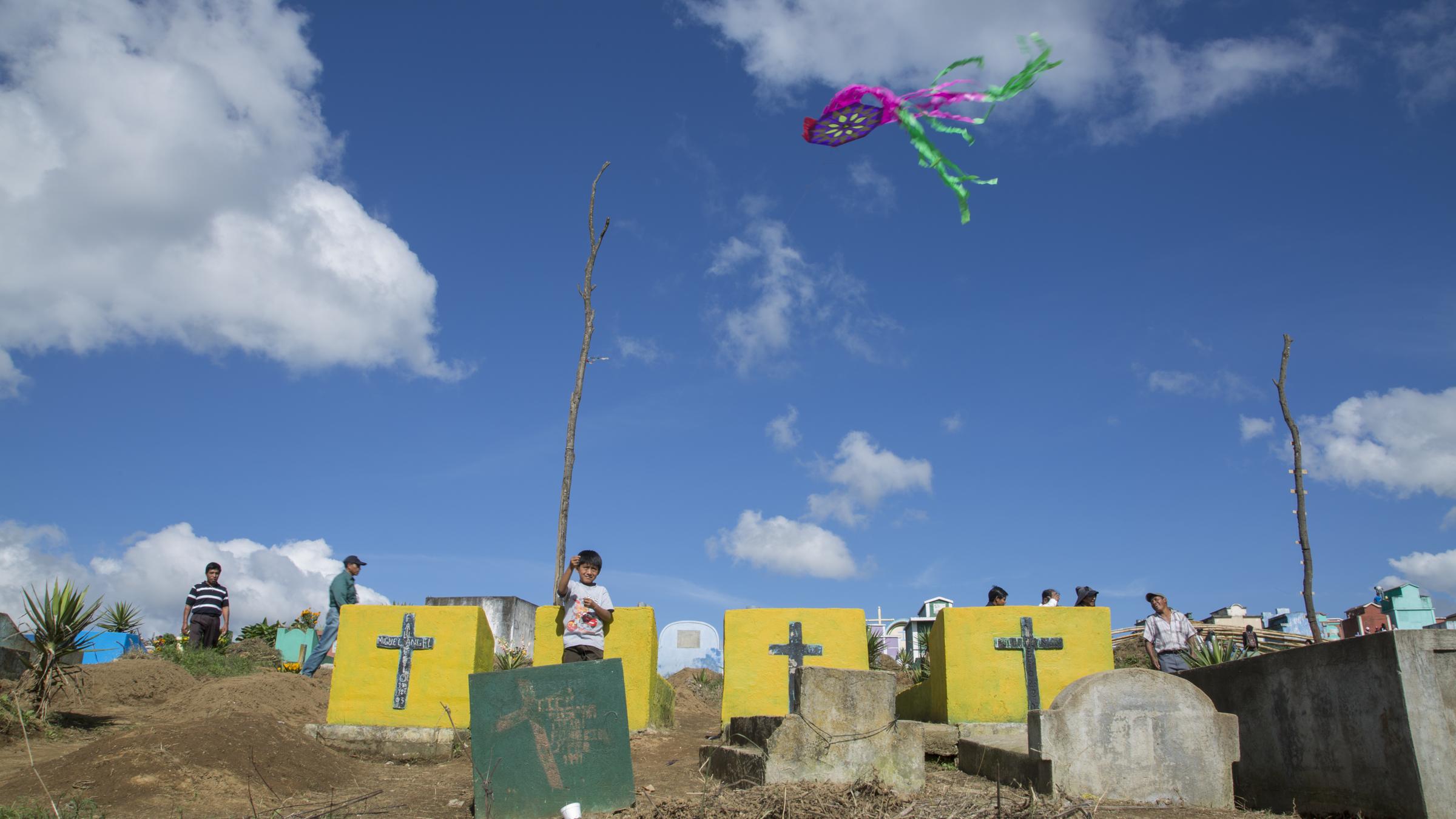
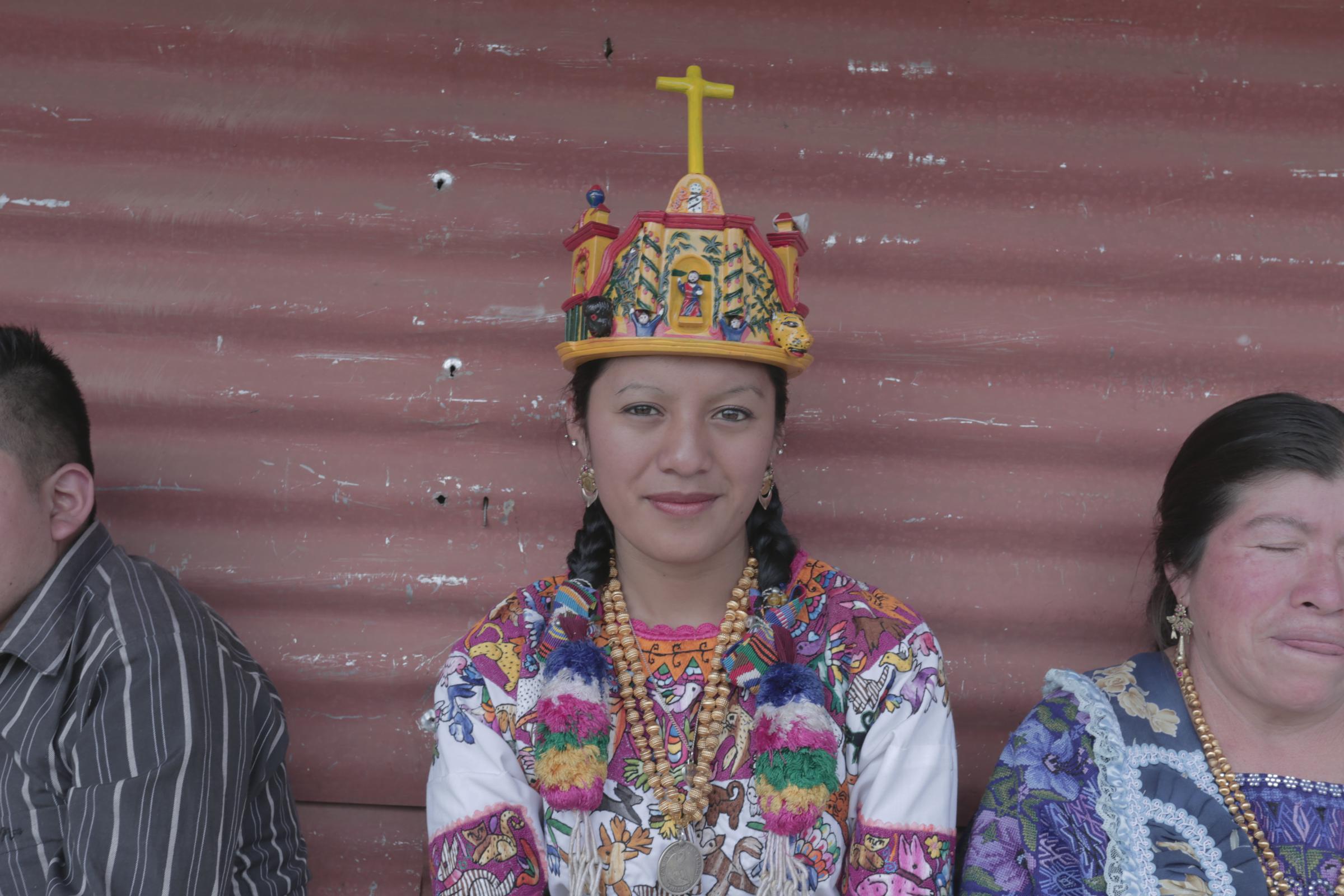
The film also explores a spirituality that has never remained fixed. Ancient Maya beliefs coexist and intermingle with Catholicism, Evangelical Christianity, saints, crosses, churches, Maya ceremonies, and folk saints such as Maximón. The film highlights this syncretism through visual contrasts. Rather than portraying tradition as something preserved unchanged from the past, The Invisible World of the Maya reveals a culture that has survived precisely because of its ability to adapt, absorb, and transform.
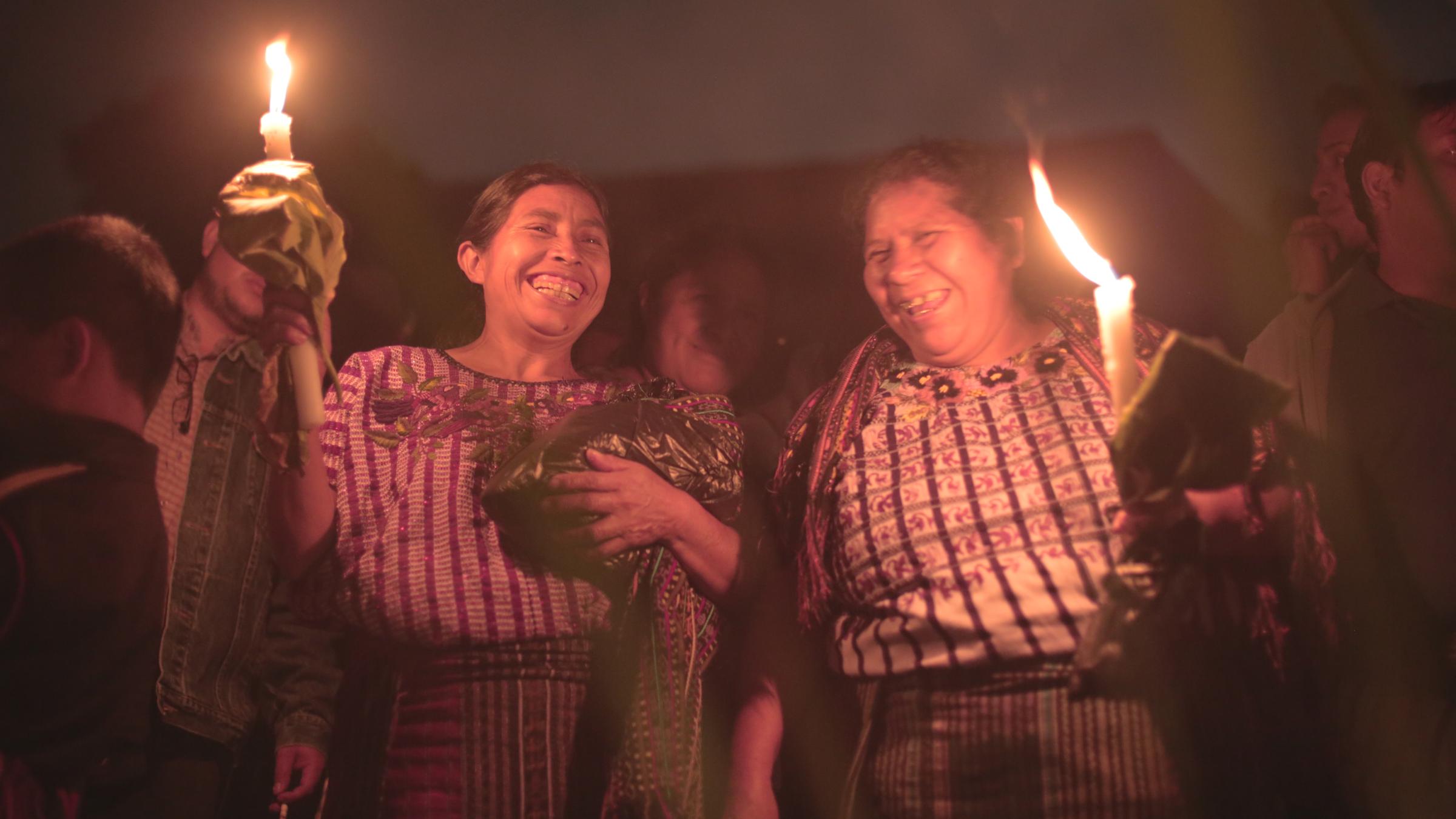
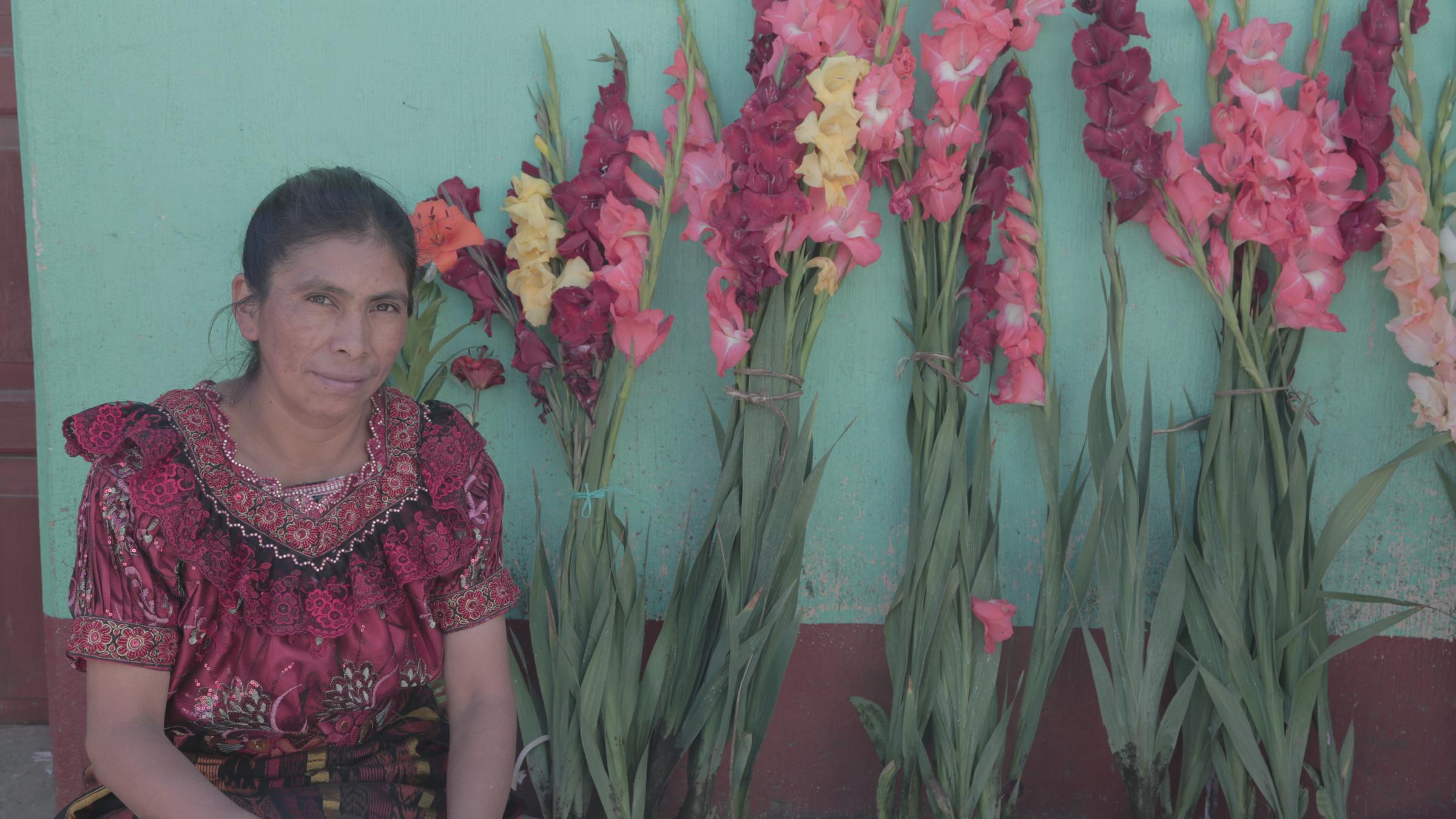
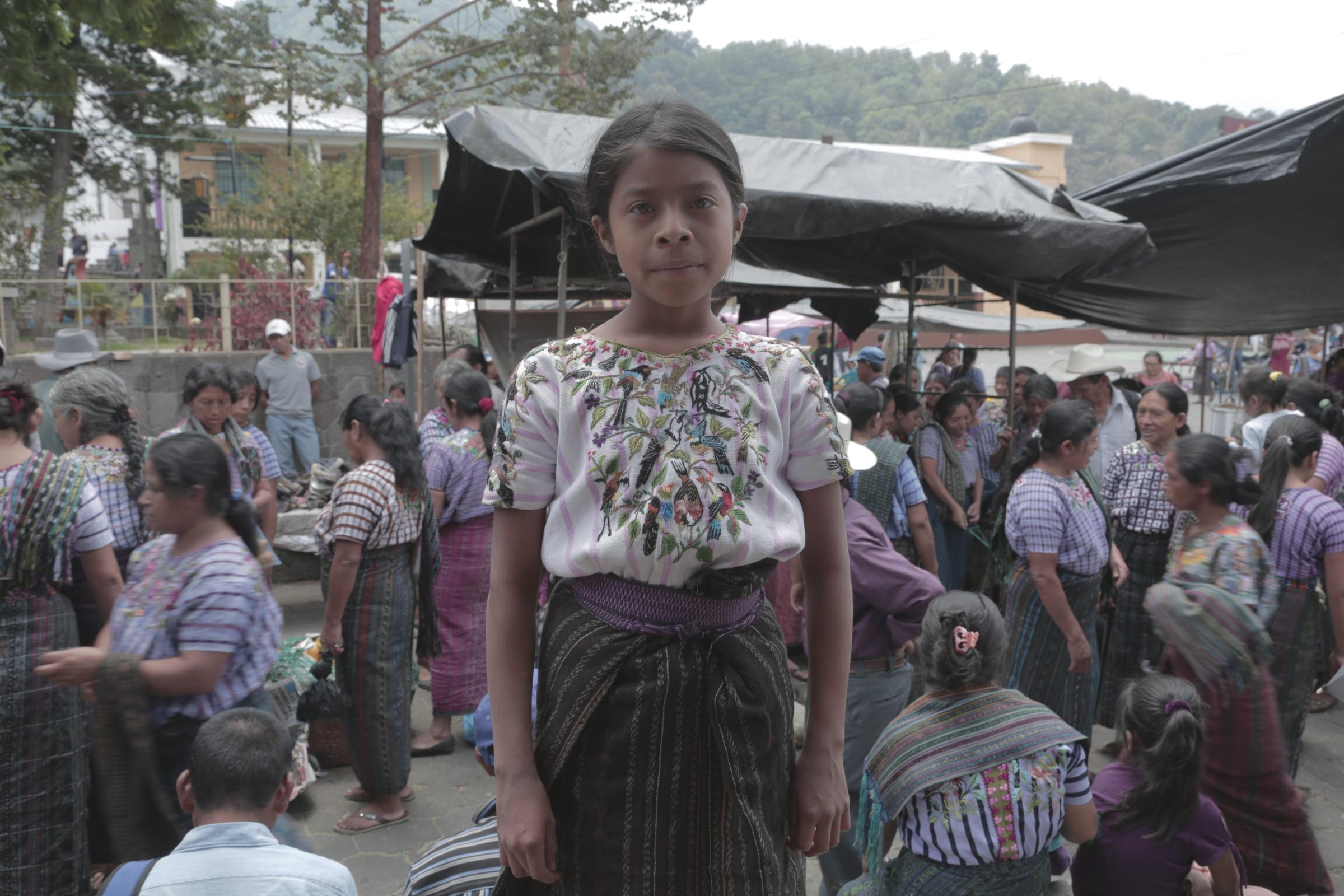
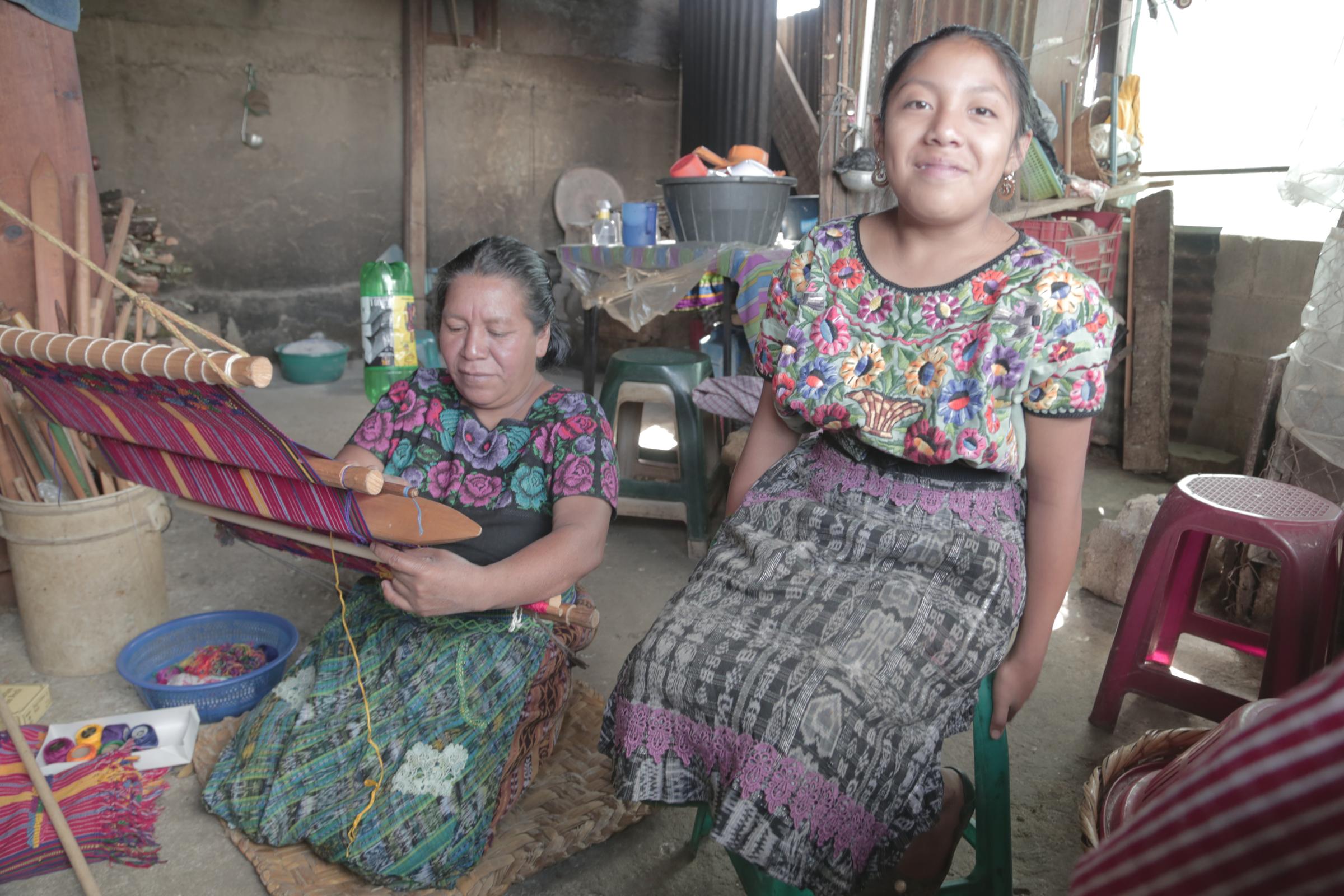
That survival has come at a cost. Maya voices describe the racism and structural inequality they encounter in schools, hospitals, government institutions, and daily life. Indigenous women speak of the difficulty of maintaining their identity within a society that has often treated Maya language, clothing, knowledge, and ways of life as inferior. The contrast is striking: a culture frequently romanticized and lauded for its ancient achievements continues to face discrimination in the present. The film does not look upon Maya culture as something disappearing. Its gaze is directed toward continuity and the future, revealing an unbroken cultural line that is constantly being reinterpreted. Scholars and community members reflect on what Western society, frequently driven by material consumption and individual gain, can learn from the Maya culture.
The film offers a portrait of a culture that has endured conquest, discrimination, religious transformation, and modernity without becoming frozen in the past. The Maya are not a vanished civilization. They are living communities continually constructing what it means to be Maya, carrying an ancient inheritance forward while imagining what comes next. The Invisible World of the Maya closes on a note that as long as the cycle continues, the Maya will remain the people of yesterday, today, and tomorrow.