Logline
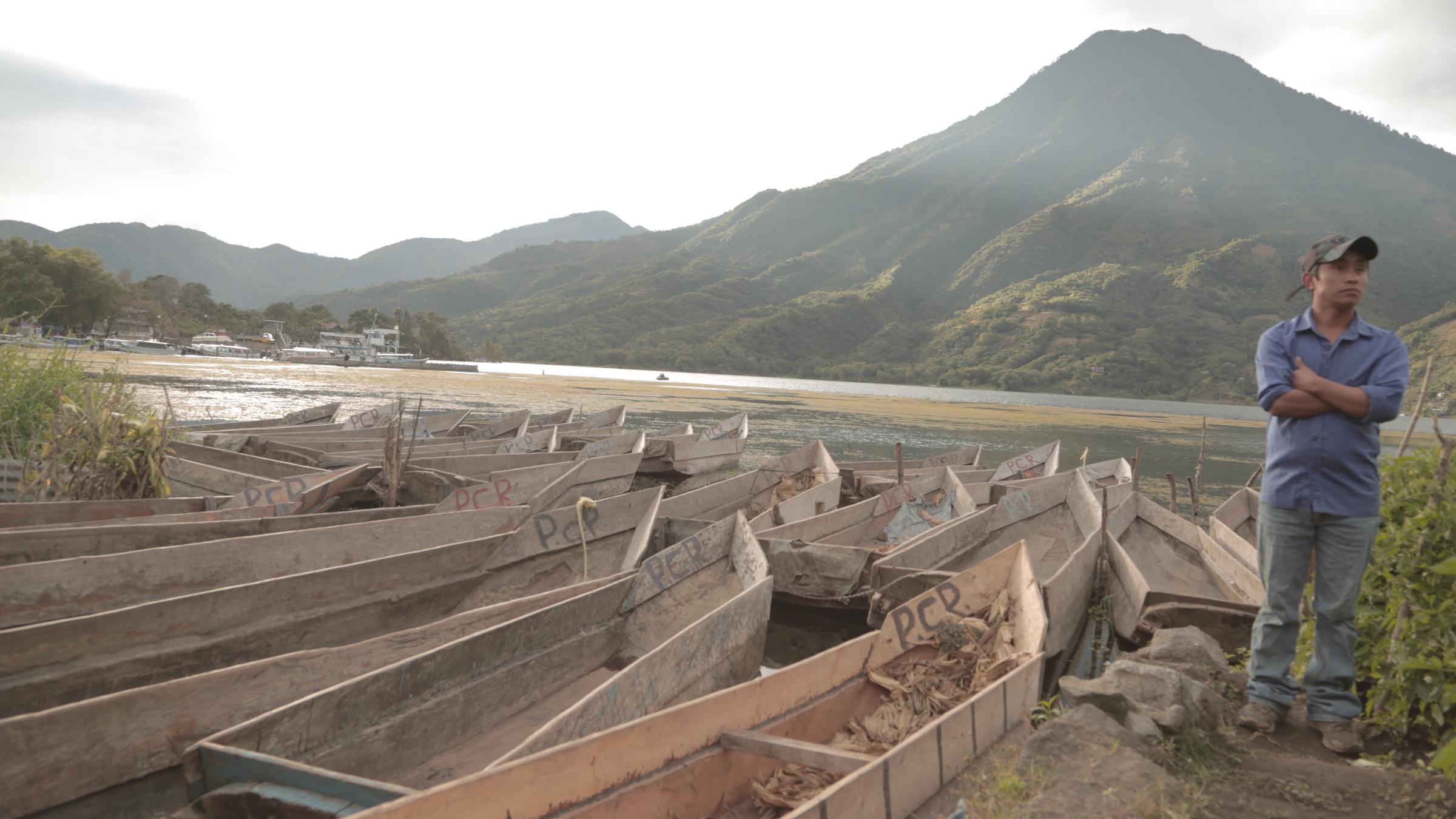
Challenging the myth of a vanished civilization, The Invisible World of the Maya immerses viewers in Indigenous Guatemala today. Amid systemic oppression and state neglect, the Maya sustain a culture where ancestors, sacred maize and unseen spiritual forces shape everyday life.
Short synopsis
The Invisible World of the Maya is a feature documentary that dismantles the persistent myth that the Maya civilization vanished into history. The film immerses viewers in contemporary Guatemala, where the Maya comprise roughly half of the population.
Rather than explaining this world from a distance, the film sits directly inside of it, capturing a rich mosaic of daily life where the spirit world is as tangible as the physical one. Ancestors remain present. Sacred maize binds generations. Ceremony connects the ordinary to something larger.
In contrast to the spiritual and cultural wealth, the film sets the harsh arithmetic of structural racism and economic marginalization, revealing not a vanished people, but one continually adapting and carrying their culture forward. Filmed and edited over more than a decade, The Invisible World of the Maya offers an intimate reflection on human dignity, ancestral connection, cultural resilience, and what a hyper-materialistic world can learn from a culture grounded in reciprocity and balance.
Synopsis
For much of the outside world, the Maya belong to history. Their ancient cities, hieroglyphs, calendars, and mysterious “collapse” have fascinated generations, while the millions of Maya living today have remained far less visible. The Invisible World of the Maya turns its attention to them. In Guatemala today, Maya people form nearly half the population, preserving a coherent, living culture across distinct linguistic and regional identities.
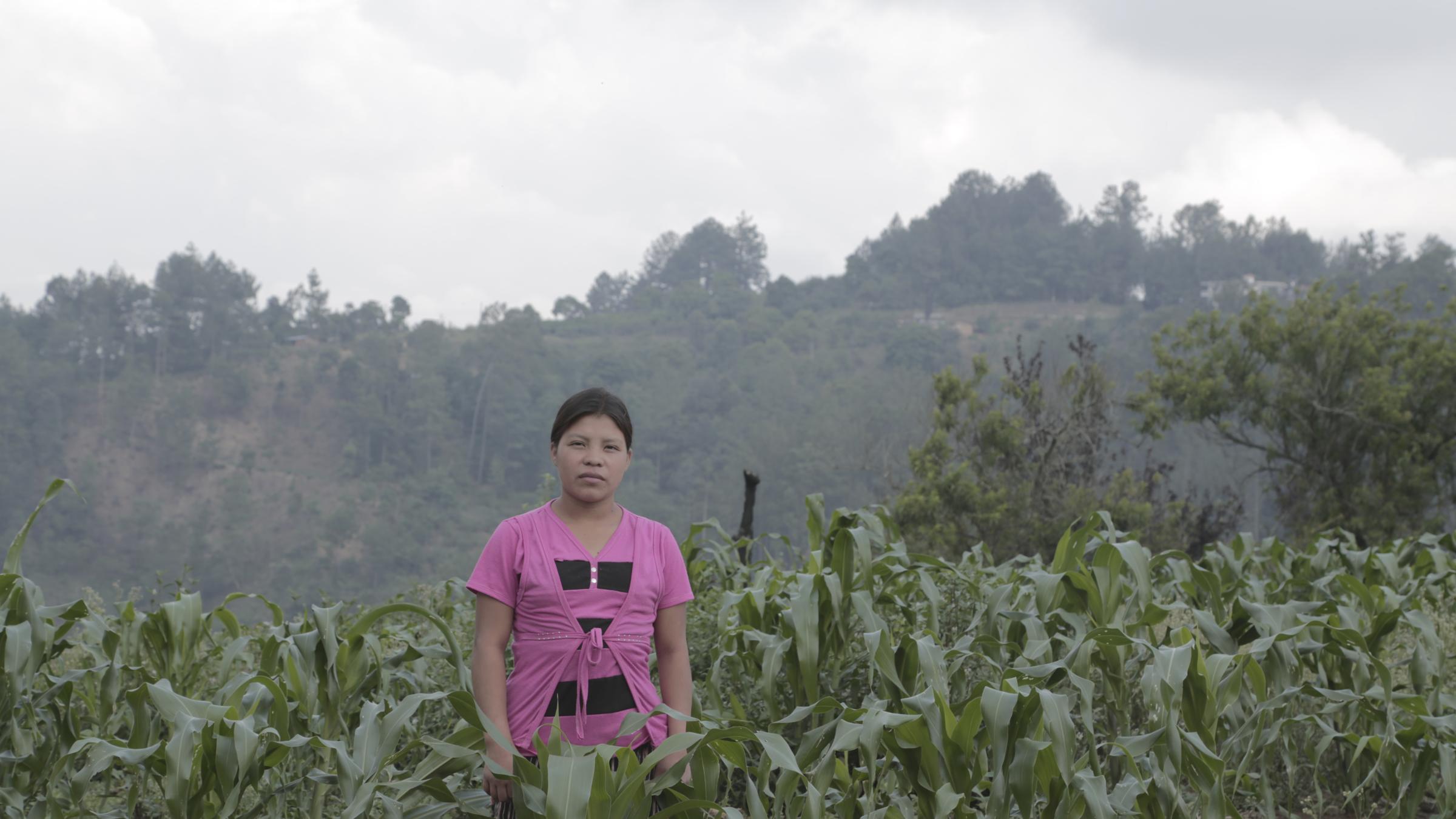
At the center of this worldview is reciprocity. Fundamental to the Maya is the belief that human beings are “People made of Corn.” Maize is not merely food, but a divine partner in a relationship of mutual survival.
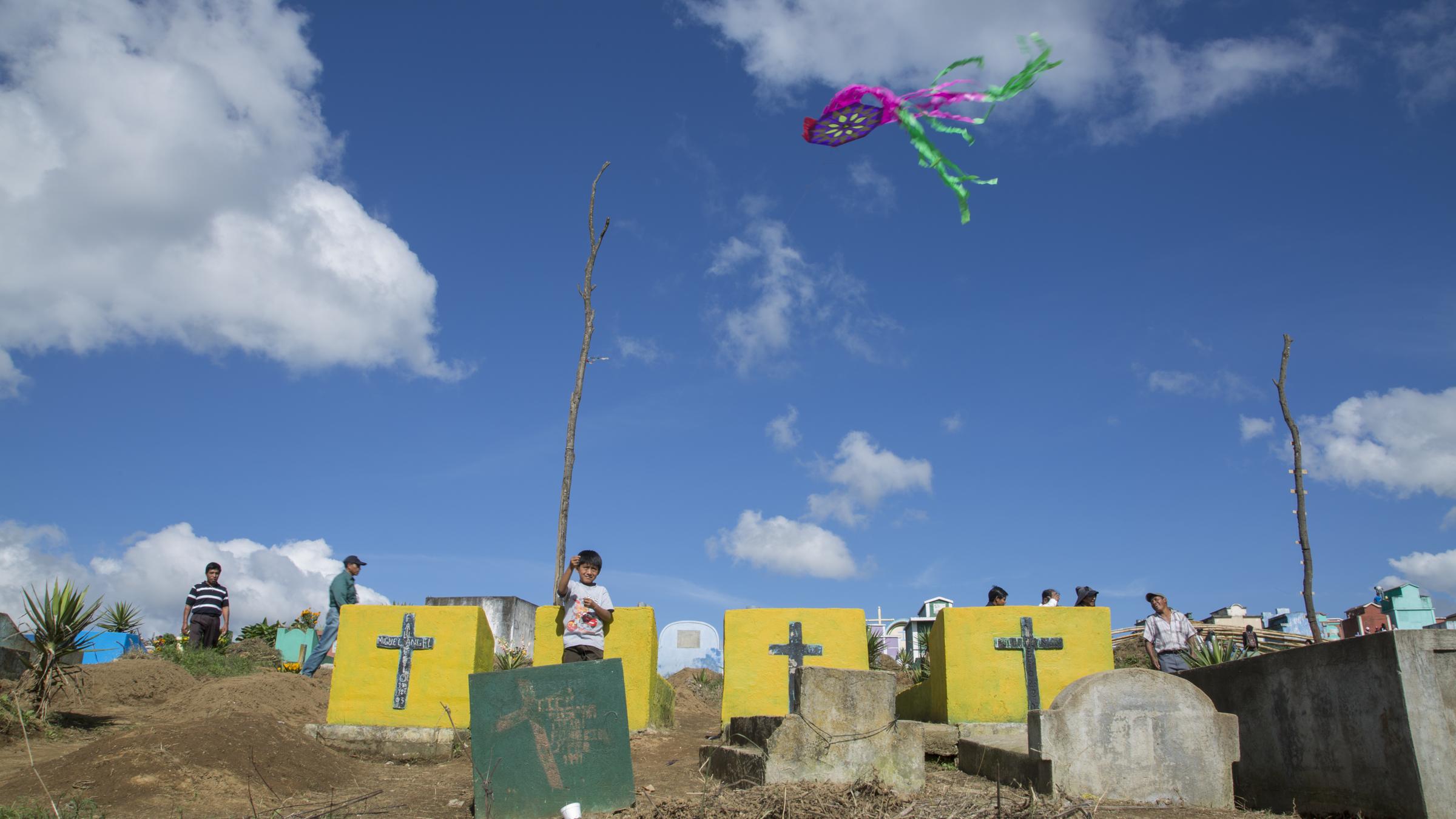
Life moves not along a straight path but through cycles of planting, growth, death, burial, renewal, and return. Nature is not inert. Time returns upon itself. Ancestors do not vanish upon death; they dwell in the air, clouds, and mist, guiding the living and offering protection. Ancestors do not simply belong to memory. They remain present.
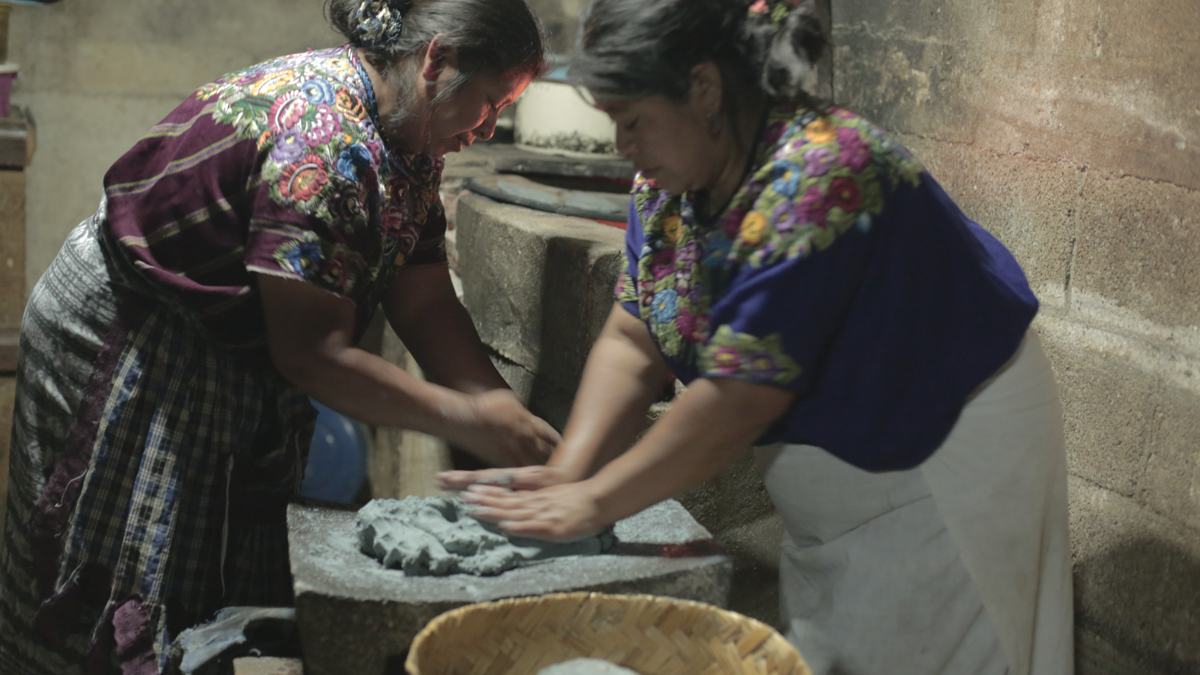
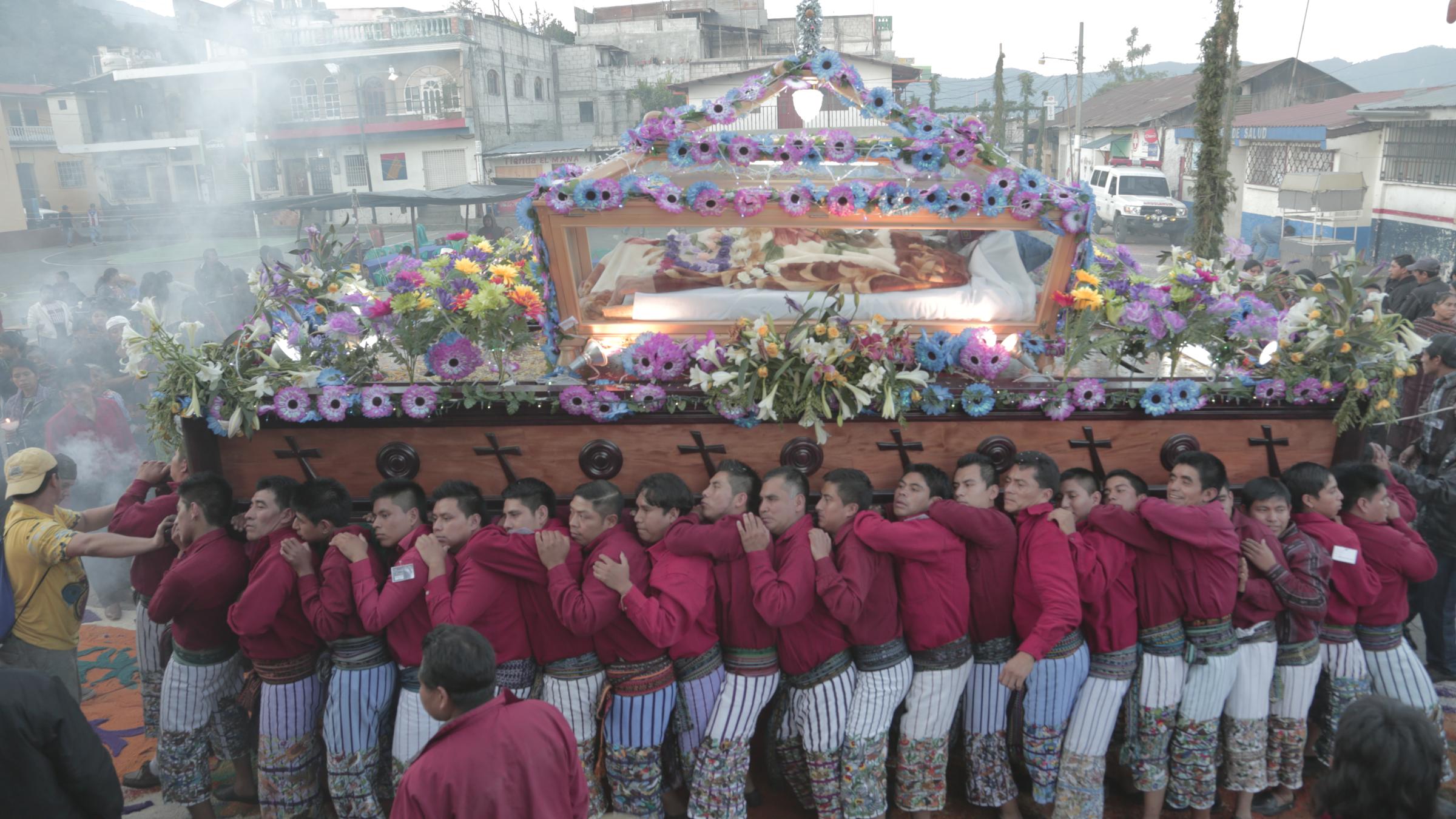
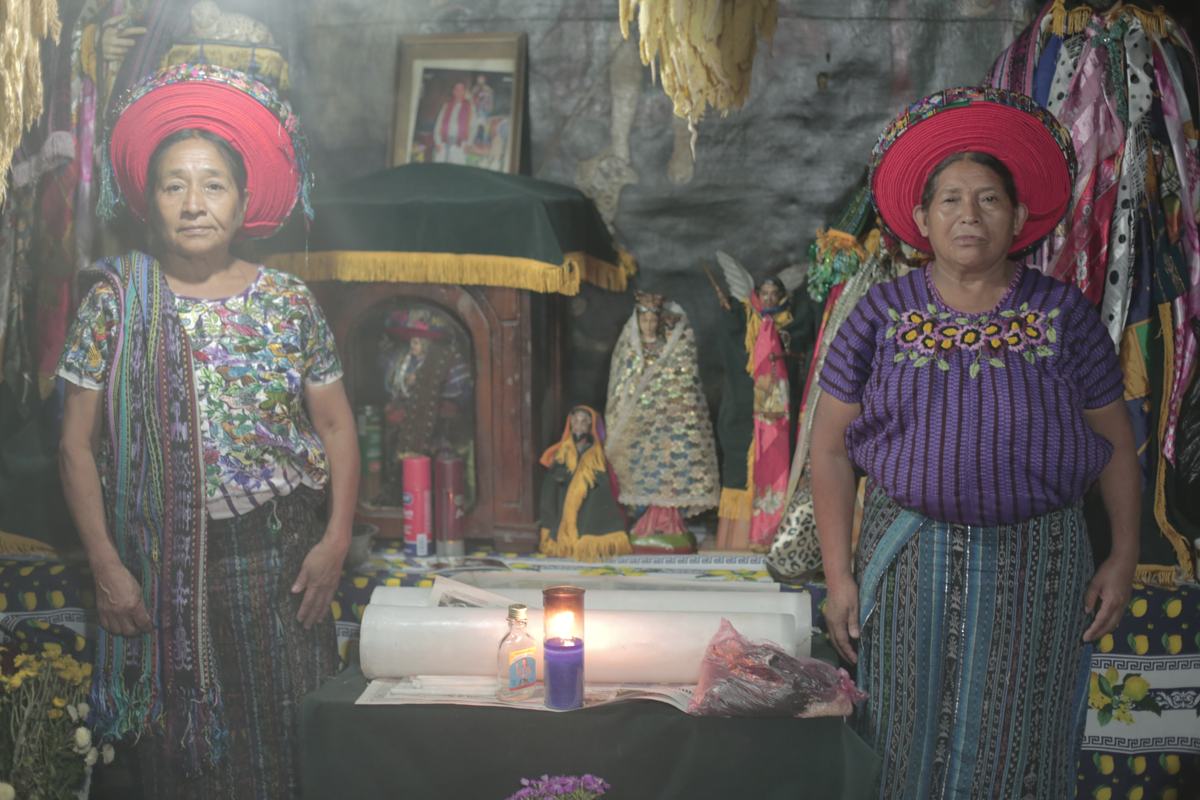
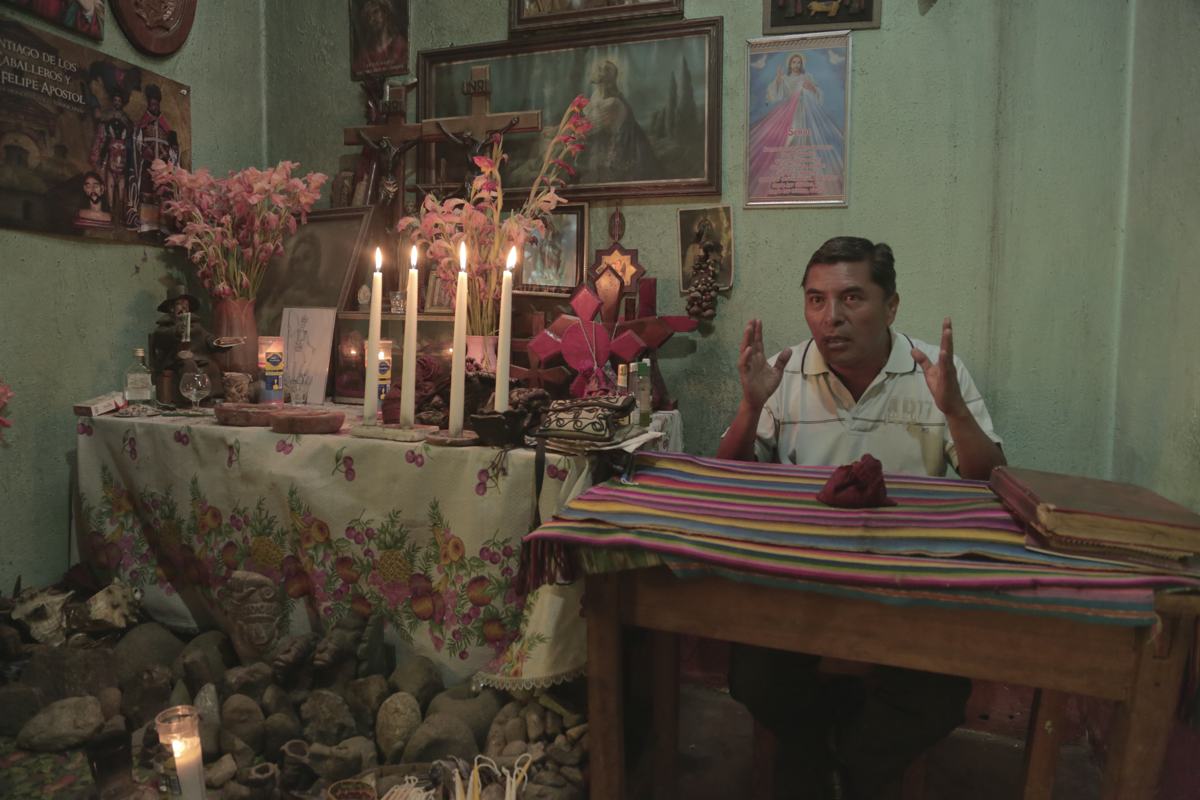
The film also explores a spirituality that has never remained fixed. Ancient Maya beliefs coexist and intermingle with Catholicism, Evangelical Christianity, saints, crosses, churches, Maya ceremonies, and folk saints such as Maximón. The film highlights this syncretism through visual contrasts.
Rather than portraying tradition as something preserved unchanged from the past, The Invisible World of the Maya reveals a culture that has survived precisely because of its ability to adapt, absorb, and transform.
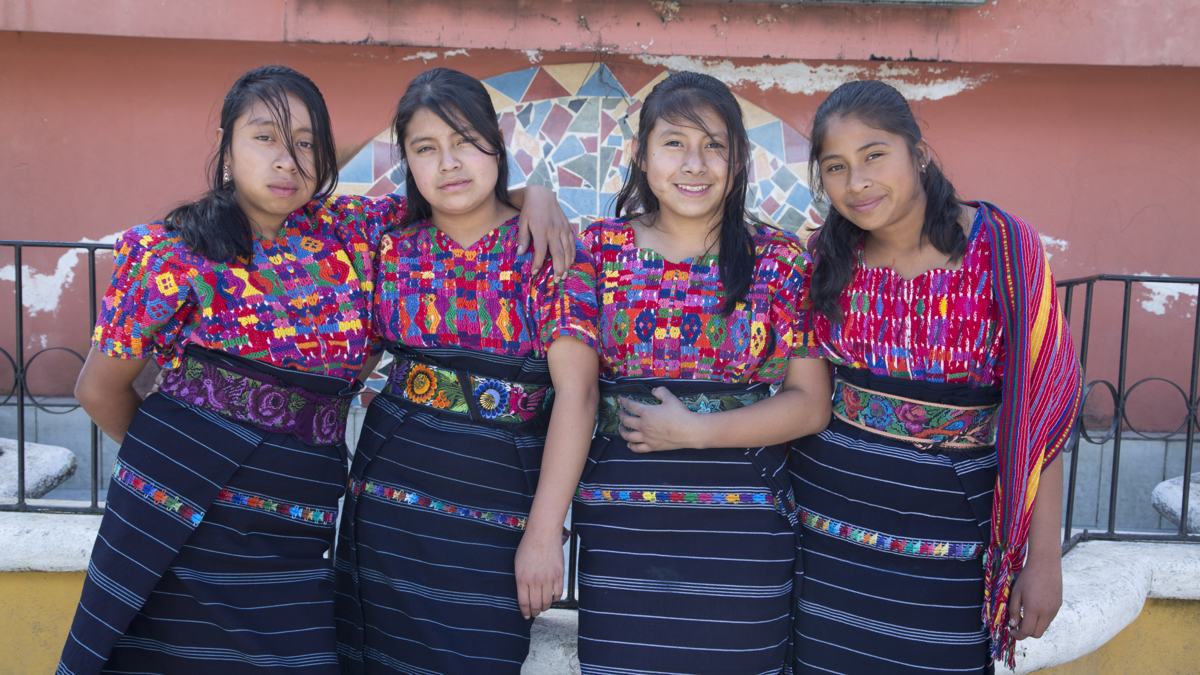
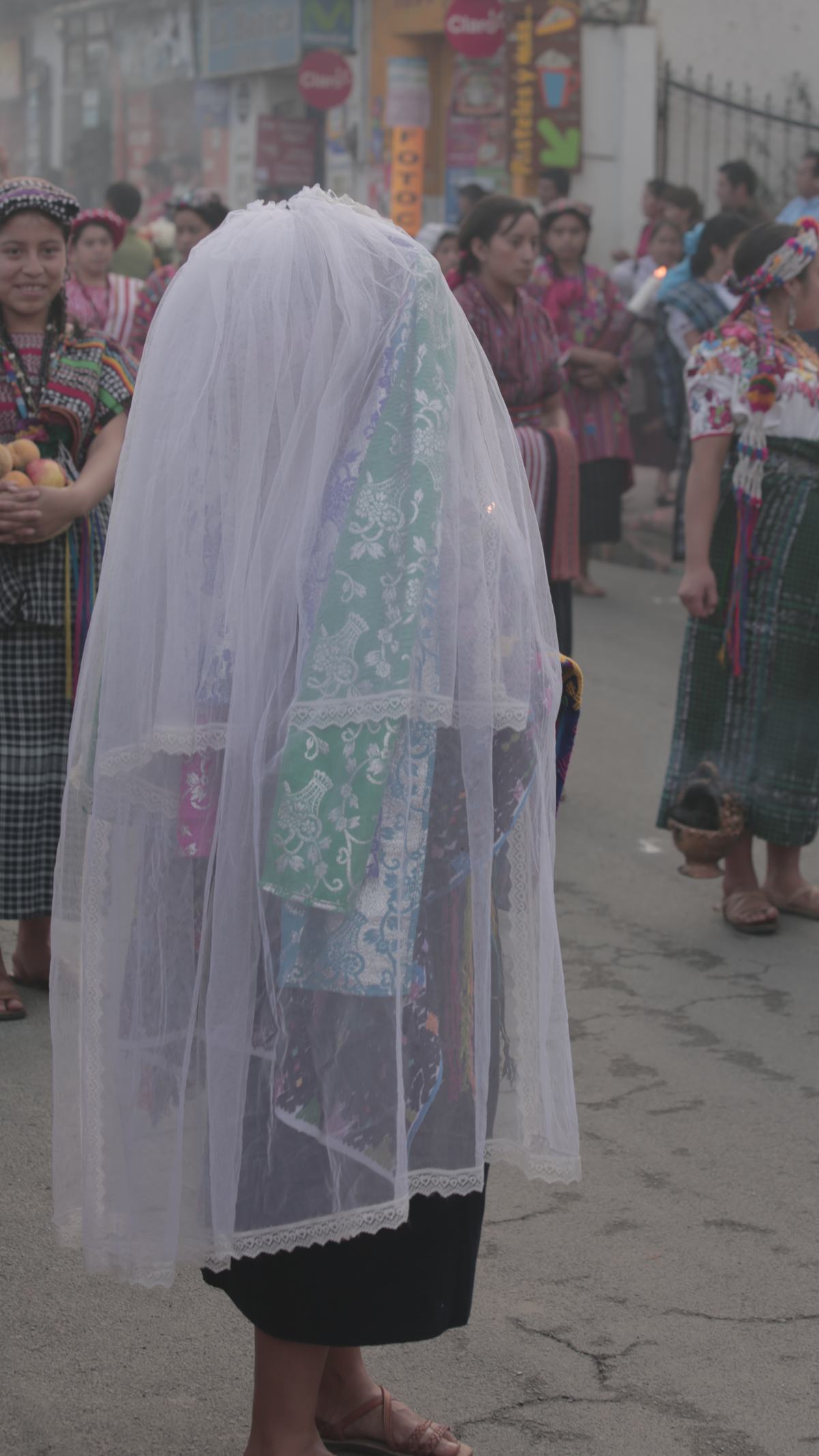
That survival has come at a cost. Maya voices describe the racism and structural inequality they encounter in schools, hospitals, government institutions, and daily life. Indigenous women speak of the difficulty of maintaining their identity within a society that has often treated Maya language, clothing, knowledge, and ways of life as inferior.
The contrast is striking: a culture frequently romanticized and lauded for its ancient achievements continues to face discrimination in the present. The film does not look upon Maya culture as something disappearing. Its gaze is directed toward continuity and the future, revealing an unbroken cultural line that is constantly being reinterpreted. Scholars and community members reflect on what Western society, frequently driven by material consumption and individual gain, can learn from the Maya culture.
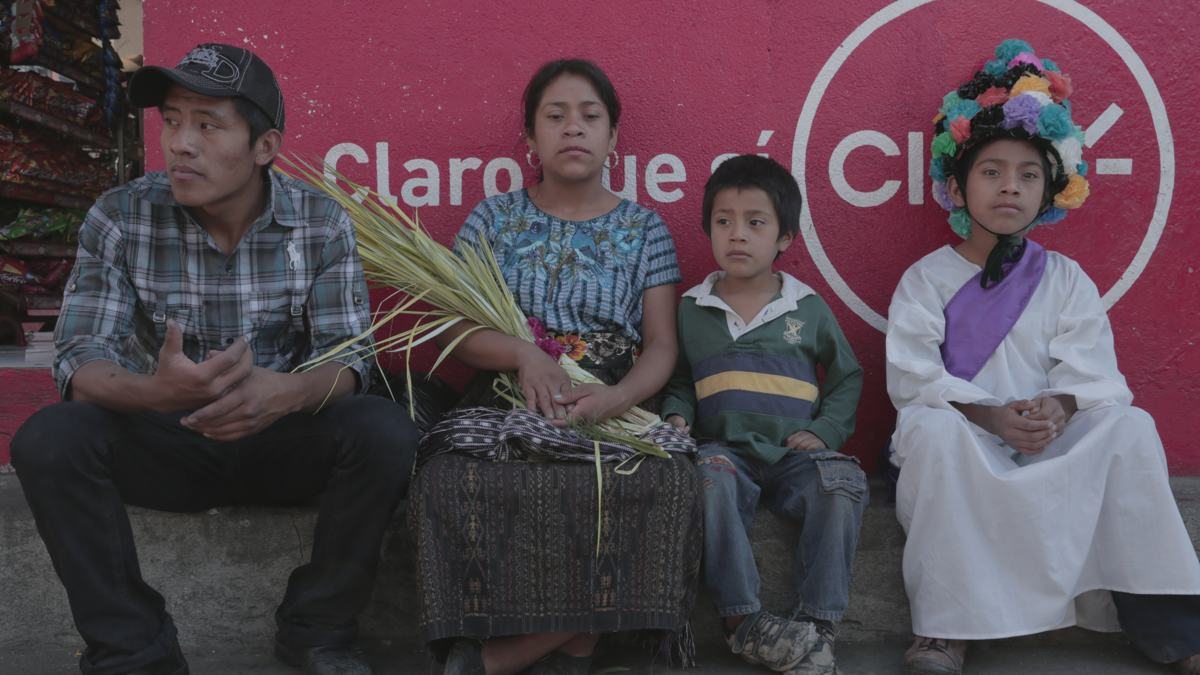
The film offers a portrait of a culture that has endured conquest, discrimination, religious transformation, and modernity without becoming frozen in the past. The Maya are not a vanished civilization. They are living communities continually constructing what it means to be Maya, carrying an ancient inheritance forward while imagining what comes next.
The Invisible World of the Maya closes on a note that as long as the cycle continues, the Maya will remain the people of yesterday, today, and tomorrow.
Director’s statement
Meghan Eckman
What first moved me in Guatemala was the sense that everything had meaning. In the Maya communities we visited, that meaning lived in the corn, in weaving, in the calendar, and in the act of lighting a candle. The ancestors were present in daily life. Coming from the United States, I was struck by this groundedness. I wanted to make a film that conveyed what it felt like to be there.
The Invisible World of the Maya grew from a question I was asking in my own life: What does it mean to live meaningfully? I hope audiences leave with a feeling for the world we encountered, and with renewed attention to what they hold sacred in their own.
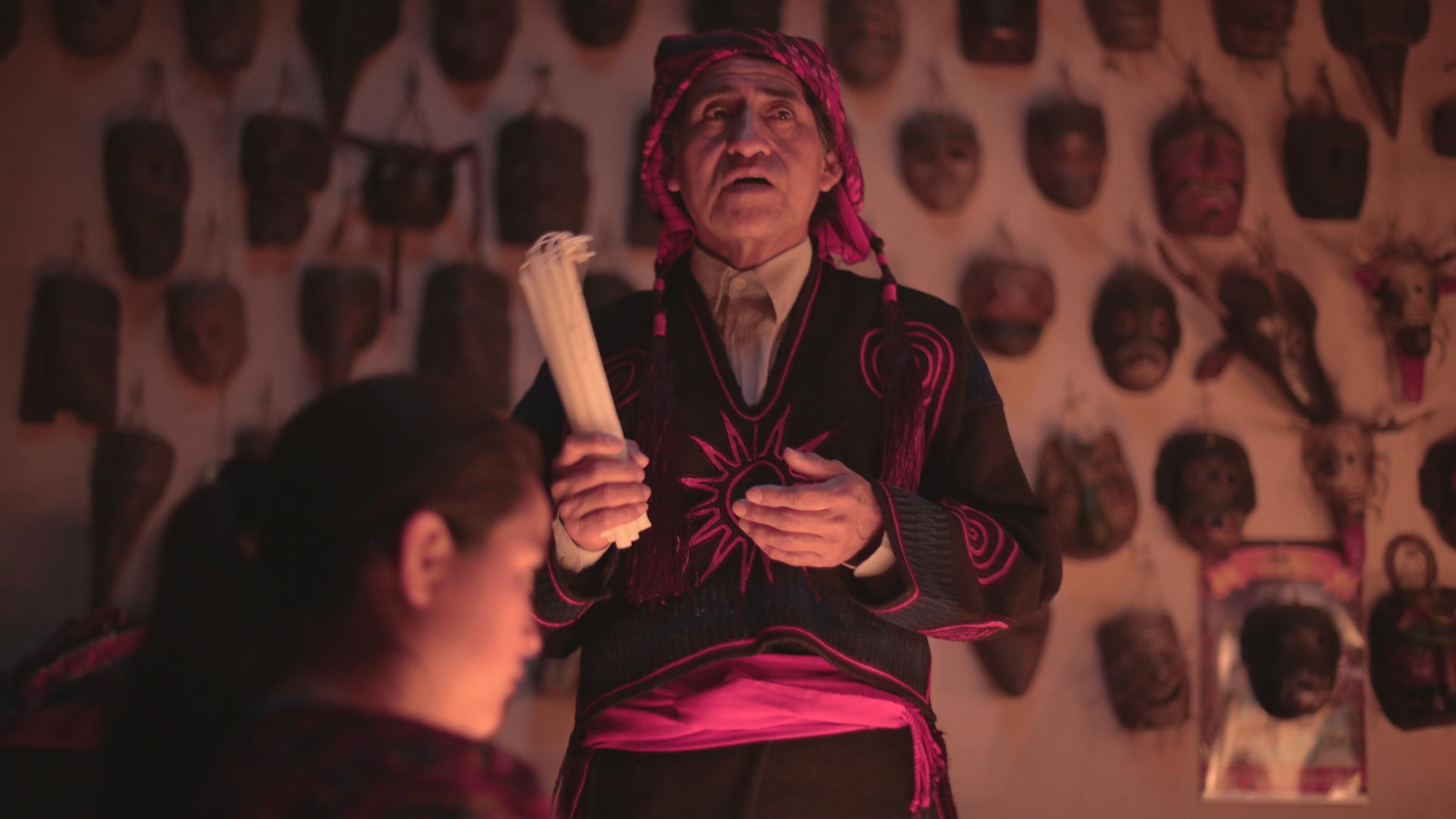
Early in the film, the Maya elder Don Cirilo says that when he travels people ask him what a Maya is, “because from the beginning they said the Maya no longer exist.” That line is where the title comes from. Invisibility runs two directions here: a people written out of the present tense, and a world of ancestors and spirit that is part of every ordinary afternoon and visible to no camera. The film lives in the gap between them.
Over three years of filming in Guatemala, I gathered more than 450 hours of footage and transcribed over 1,000 pages of interviews. What followed was more than a decade of editing, stepping away, and returning to the material, searching for a cinematic form that could honor what drew me to Guatemala without reducing its complexity.
Invisibility runs two directions here: a people written out of the present tense, and a world of ancestors and spirit that is part of every ordinary afternoon.Meghan Eckman, Director
I am aware of the cinematic tropes that often shape films made by outsiders about Indigenous cultures. Maya people in Guatemala have endured profound violence, racism, discrimination, and economic inequality, and those realities are essential to the film. But I did not want to frame the Maya primarily as victims or as a social problem to be explained. Instead, I wanted to make room for what can be overlooked when Indigenous life is viewed mainly through histories of oppression: the richness of life being lived in the present, the strength of extended families, the persistence of language, clothing, agriculture, ceremony, and spiritual practice, and the obligations people feel toward one another, the land, and those who came before them. That approach shaped the film’s form as well.
We embraced a philosophy of showing rather than telling, resisting an overly explanatory voice so audiences could encounter this world on its own terms and draw their own interpretations. But we also understood that a worldview unfamiliar to many Western audiences would need some context. Our narrator, Vincent Stanzione, helped us find that balance. Having lived in the Guatemalan highlands for more than four decades, he brings scholarship and the familiarity of someone whose understanding comes from years of participation in daily life. His voice gives viewers a way into the film, offering context while allowing the images, ceremonies, and people to speak for themselves. The anthropologist Ted Fischer places contemporary Maya experience within broader questions of inequality, aspiration and wellbeing.
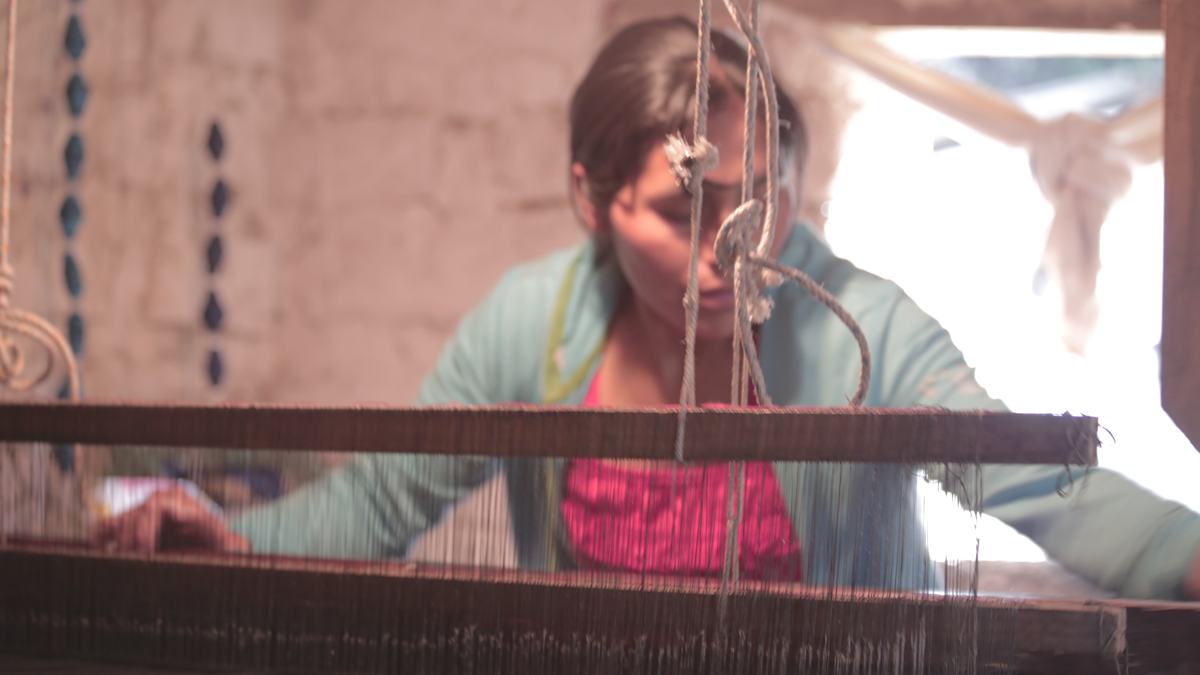
But ultimately, the film belongs to the people who appear within it. Spiritual leaders, farmers, mothers, children, activists, artisans, and families articulate their own understandings of what it means to be Maya today.

That sense of continuity is central to the film. In the communities we encountered, ancestors are not confined to memory. They remain present in the air, clouds, mist, dreams, ceremonies, and everyday life. Maize is more than a crop. It carries history, identity, sustenance, and reciprocity. Catholicism, Evangelical Christianity, and Maya spiritual practices do not exist as neatly separated worlds. They overlap, absorb one another, and continue to evolve.
Over the years I spent making the film, I became increasingly interested in the contrast between material wealth and other forms of abundance. Many of the people we filmed live within profound economic inequality, but those conditions do not encompass the fullness of their lives. Again and again, the film encounters other measures of richness: belonging, ancestry, ritual, reciprocity, community, gratitude, and a sense of oneself as part of something that extends both backward and forward in time.
I do not present Maya culture as an answer to the problems of modern life. Instead, The Invisible World of the Maya is an invitation to encounter another way of understanding what gives a life meaning. I hope viewers leave the film looking more carefully at what surrounds them, what connects them, and what they choose to value. Not with a lesson about how they should live, but with a question about how they already do.